All eyes are on today’s Senate session for good reason: for the first time in years, a key figure in one of the country’s most talked-about political scandals is summoned for questioning. Spanish society is waiting to see whether the Koldo case hearings will shed light on the hidden mechanisms of power and the internal conflicts within the nation’s largest party. For many, this day will be crucial in understanding how state institutions respond to accusations against high-ranking officials.
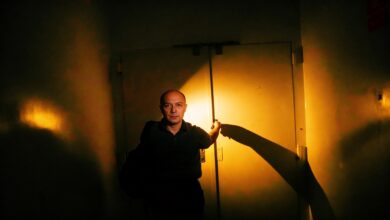
Paco Salasar, former MP and ex-government official, returns to the spotlight seven months after his sensational resignation. His departure was accompanied by allegations of sexual harassment, sparking heated debates in political and public circles. Today, Salasar faces senators’ questions for the first time, which could shift the direction of the investigation and impact the case’s outcome.
Key witness
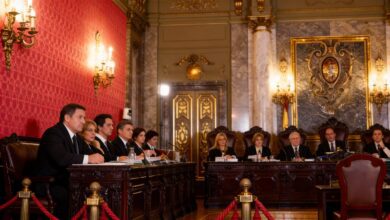
The hearing began at 10 a.m. and from the outset it was clear: the atmosphere in the chamber was tense. Senators prepared tough questions, while journalists kept a close eye on Salasar’s every gesture and word. His appearance surprised many, as he had kept out of the public eye and refrained from commenting on the case since leaving politics.
During the session, plans include examining not only the circumstances of his resignation, but also the role he played within the party structure and government. Particular attention is given to how swiftly decisions were made following the publication of the accusations and why the party leadership acted as it did. Senators aim to determine whether there were any attempts to conceal details of the scandal or to pressure witnesses.
Aftermath of the scandal
The Koldo case has already become a symbol of the crisis of trust in political institutions. Over the past two years, the commission has heard testimony from nearly a hundred witnesses, including other former party officials. Each new interrogation revealed unexpected details, and public opinion has increasingly leaned toward the need to reform the oversight system for officials’ actions.
Salazar was meant to assume one of the key positions in the party hierarchy, but the scandal derailed his career. His resignation sent a clear message to other politicians: even the most influential figures are not immune to the consequences of public accusations. Today’s hearing could prove a turning point not only for Salazar himself, but also for the entire political system.
A look back
The last high-profile hearing of this kind took place in December, when another former party leader answered senators’ questions. That discussion lasted several hours and ended with new accusations against a number of officials. Since then, public interest in the case has remained strong, and each new commission meeting has become a national event.
Senators point out that the Koldo case investigation is being conducted with exceptional thoroughness. Attention is paid not only to the facts, but also to how various agencies responded to the information appearing in the media. This approach helps identify weaknesses in the system and determine what changes are needed to prevent similar situations in the future.
Context and parallels
In recent years, Spain has faced several high-profile investigations involving the conduct of top officials. In 2024 and 2025, the Senate already held hearings on cases involving allegations of abuse of power and ethics violations. Each of these cases sparked widespread public debate and led to discussions about the need to tighten oversight over politicians’ actions.
Similar processes have been observed in other European countries, where parliamentary commissions have become a tool for identifying systemic problems. In Spain, such hearings often led to personnel changes and the launch of new anti-corruption initiatives. The Koldo case became another example of how public scrutiny and societal pressure can influence the course of investigations and decision-making at the highest level.