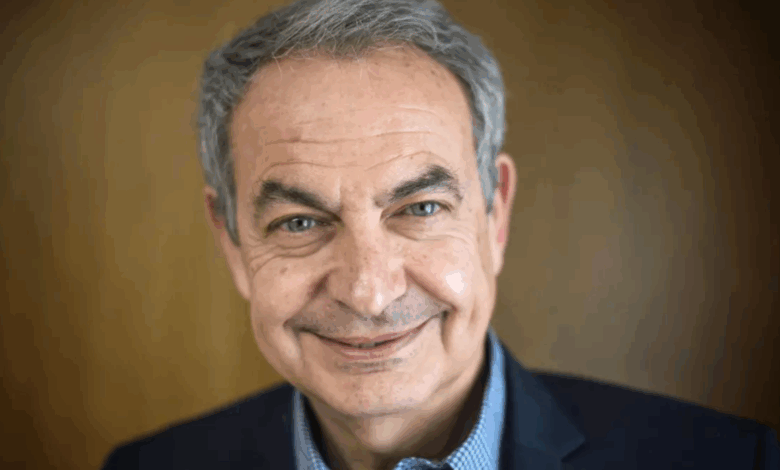
A new debate over the transparency of former state leaders’ earnings has erupted in Spain. This time, former Prime Minister José Luis Rodríguez Zapatero found himself in the spotlight, answering questions in the Senate about the specifics of his consulting work. Concerns arose not only because of his annual fee of 70,000 euros, but also due to the nature of his activities, connections with private companies, and foreign contacts. For Spaniards, the story has once again raised questions about how former politicians use their experience and networks after stepping down from public office.
Hearing details
At the Koldo case investigation commission meeting, Zapatero provided a detailed account of his role at Análisis Relevante. He emphasized that his work is fully legal, paid officially, and corresponds to market rates. According to him, he does not participate in lobbying, but instead offers consulting services, takes part in public events, and prepares analytical reports. The former prime minister pointed out that his professional experience is in demand and that his opinion is valued in business circles.
Particular attention was drawn to the episode involving the organization of a meeting between Nicolás Maduro and Javier Hidalgo, related to Venezuela’s debts to Globalia. Zapatero acknowledged that he facilitated the negotiations but categorically denied receiving any payment for his involvement. He also explained that his cooperation with Análisis Relevante began at the suggestion of a long-time acquaintance, ‘Julito’ Martínez, and as part of the arrangement, the company hired his daughters’ agency for communication support.
Allegations and defense
Senators from the Partido Popular (PP) questioned the authenticity of the analytical reports prepared by Zapatero. They suggested that Análisis Relevante could be a shell company set up to pay fees to the former prime minister and his associates. In response, Zapatero stated that all his actions are transparent and that the company operates within the law. He stressed that he is not obligated to disclose details of his reports, citing confidentiality and the protection of private life.
The hearings also touched on other aspects—for example, possible connections to the Plus Ultra airline bailout case and contacts with representatives from Venezuela and China. Zapatero rejected allegations of illicit enrichment, calling them an attempt to discredit his political stance. He also noted that after leaving public office, his activities should not be subject to public investigation as long as they are within the law.
Suspicions and new questions
Questions about the transparency of former officials’ activities remain relevant in Spanish society. Senators insisted on receiving copies of the analytical reports to confirm their authenticity and substance. Zapatero refused to hand over the documents, citing the need to protect private information and his partners. In response, opponents argued that if the reports truly existed and were valuable, they could be presented to the commission without risk.
At the conclusion of the hearings, an accusation emerged that some of the reports were allegedly compiled by copying materials from open sources, rather than through independent analysis. This sparked a fresh wave of criticism and cast doubt on the value of the work for which significant sums were paid. Such disputes, however, are not uncommon in Spanish politics: recently, the country has been discussing a high-profile case involving the publication of personal data of the head of a major company, where issues of transparency and accountability of both former and current officials were also raised.
Context and implications
The hearings lasted more than three hours and were marked by emotional exchanges between representatives of various parties. Zapatero repeatedly asked the commission chair to protect him from accusations he called slander and an attempt at political pressure. At the same time, the opposition insisted on a thorough review of all circumstances related to the payments and the activities of the former prime minister.
In Spain, such cases generate widespread public debate, as they raise important questions about trust in government institutions and the transparency of former officials’ activities. According to Ale Espanol, the situation surrounding Zapatero has become a new example of how personal connections and professional experience can be leveraged after leaving a political career.
In recent years, Spain has repeatedly witnessed heated debates about the incomes of former officials and their involvement in private companies. For instance, there have been discussions over ex-ministers or advisors moving to major corporations or becoming consultants for foreign entities. Such situations often trigger investigations and demand explanations in parliament. Society increasingly calls for transparency and oversight of former public officials to prevent possible abuses and conflicts of interest.