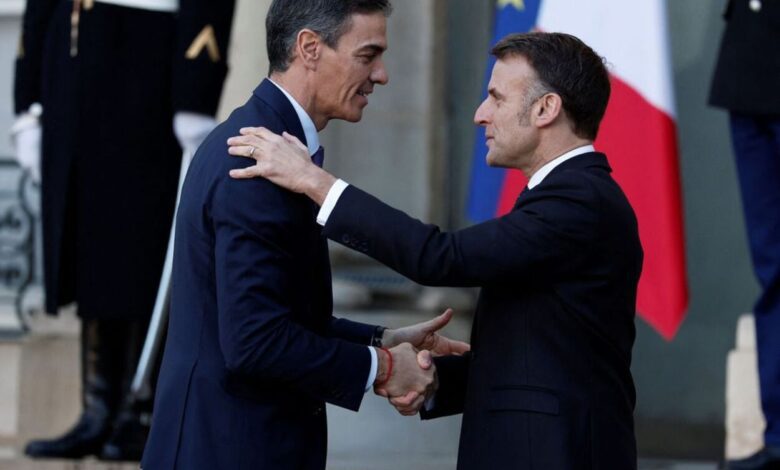
Spanish Prime Minister Pedro Sánchez has unexpectedly signaled the country’s willingness to consider sending troops to participate in a potential peacekeeping mission in Ukraine. This announcement came after his visit to Paris, where he took part in an international meeting focused on supporting Ukraine. Sánchez emphasized that Spain does not intend to remain on the sidelines when it comes to restoring peace in Europe. According to him, Spain has already proven its readiness to take similar steps in other parts of the world, and now, with the focus on the European continent, the country does not plan to step back.
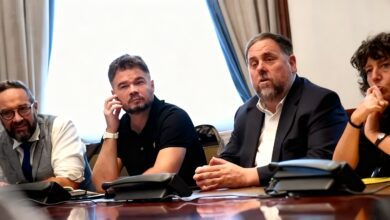
Next Monday, the head of government plans to begin a series of meetings with leaders of parliamentary factions. The main goal is to discuss possible ways Spain might participate in the future peacekeeping mission, should it be approved by the international community. Sánchez noted that the country’s contribution could go beyond military involvement, and might also include rebuilding destroyed infrastructure and supporting civilians.
Political context
Debate over Spain’s role in the Ukrainian conflict has reached a new level. So far, Madrid has limited its support to humanitarian aid and supplying equipment, but Sánchez’s latest statements may mark a shift in policy. In the corridors of parliament, lively debates have already begun: some politicians back the initiative, seeing it as an act of European solidarity; others worry the country could be drawn into a prolonged conflict.
Skeptics point to the risks associated with deploying troops abroad, especially amid instability in the region itself. However, supporters of the idea are confident that taking part in the peacekeeping mission will strengthen Spain’s standing on the international stage and allow the country to play a more active role in addressing European challenges.
Army and society
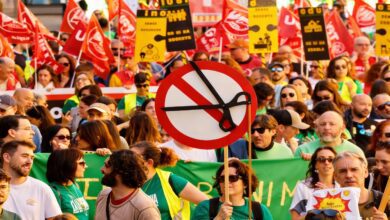
The prospect of Spanish military involvement in a mission in Ukraine has sparked mixed reactions in society. Many citizens recall previous operations in other countries and openly express their concerns. At the same time, part of the population believes Spain should support peace initiatives, especially when it comes to neighboring countries on the continent.
Military experts note that the Spanish army has the necessary experience to participate in such operations. Over the past decades, Spanish troops have repeatedly taken part in international missions, and their professionalism is undisputed. However, some analysts believe that the decision to deploy troops should be made with utmost caution, taking all possible consequences into account.
Looking ahead
It is still unclear what the government’s final decision will be. Sánchez indicated he will not act unilaterally—all steps will be agreed with parliament and discussed with key political forces. In the coming days, a series of consultations is expected, after which Spain may form its official stance on taking part in the peacekeeping mission.
The situation is unfolding rapidly, and it is already clear that Spain is on the brink of significant changes. The country’s readiness for new challenges and its role in European politics will attract close attention both domestically and internationally. All that remains is to see how Madrid will seize its opportunity to shape the continent’s future.