Spain is launching a new phase of reforms aimed at increasing transparency within government operations. Prime Minister Pedro Sánchez has announced the rollout of a digital portal designed to make it easier for citizens to access information about the activities of state agencies. Alongside this, the government is preparing to introduce a new open governance plan focused on strengthening public trust in institutions.
At an international conference dedicated to open governance, Sánchez emphasized that his cabinet will not tolerate any manifestation of corruption. According to him, Spain is moving toward more decisive action: any attempt to conceal or downplay issues will now meet with a strong response. The authorities are relying on innovative solutions and are unafraid to implement new approaches.
Among the key innovations is an updated transparency portal, enabling real-time tracking of government agencies’ work. In addition, a platform to monitor public procurement is being planned. Advanced technologies will be used here: artificial intelligence, automation, and big data analysis. This is expected to help detect suspicious activities and prevent fraud at early stages.
Amid ongoing scandals related to corruption, with even the ruling party facing accusations, the authorities are eager to demonstrate their readiness for change. The new public administration bill not only expands access to information but also introduces sanctions for officials who violate these principles. Key elements of the reform will include citizen audits and special integrity agreements for contract signing.
The government emphasizes that accountability and the obligation to explain one’s actions are now mandatory for everyone working in the public sector. These measures are expected to not only improve the efficiency of government bodies but also restore public trust, which has significantly eroded in recent years.
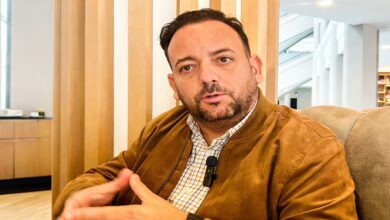
At an event in Vitoria (Vitoria), where representatives from various countries and organizations gathered, other issues related to strengthening democracy were discussed. Basque leader Imanol Pradales (Imanol Pradales) stressed the importance of honoring agreements between regions and the central government, noting that only by doing so can true partnership and trust be achieved.
In the near future, Spain plans not only to introduce new control mechanisms but also to engage the private sector in these efforts. Authorities are confident that only through joint efforts can real change be achieved and corruption eliminated.