The scandal surrounding the postponement of historic debates and statements about women has touched on several sensitive issues affecting Spanish society. The organizers’ decision to change the forum dates due to political pressure and threats of protests has sparked a discussion not only about freedom of speech but also about gender equality at cultural events. For many Spaniards, this situation has become a clear example of how gender issues and political disagreements can influence the organization of public events.
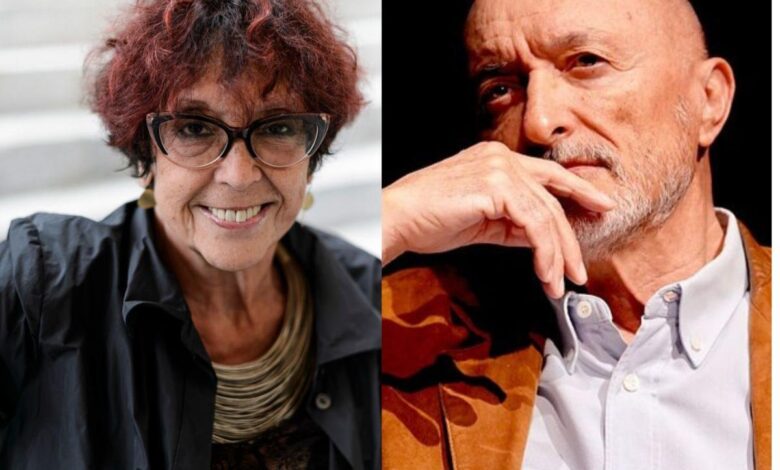
Writer Maruja Torres, a winner of prestigious literary awards, found herself in the spotlight after publicly expressing surprise at Arturo Pérez-Reverte’s comments about women. The controversy stemmed from Pérez-Reverte’s statement at an event where he announced the postponement of the forum ‘1936: La guerra que todos perdimos’ (‘1936: The War We All Lost’). The debate was originally scheduled for February, but it has now been moved to October. Organizers explained the change as necessary to avoid possible protests and pressure from political groups.
Reasons for the postponement
The forum coordinators, including Pérez-Reverte and Jesús Vigorra, openly stated that the decision to postpone was made due to threats from radical left groups and pressure from representatives of the Podemos party. They paid special attention to the writer David Uclés, winner of the 2026 Nadal Prize and author of the popular book ‘La Península de las casas vacías’ (‘The Peninsula of Empty Houses’). Uclés was the first to refuse to participate in the event, despite having previously confirmed his attendance, which triggered a chain reaction among other invited guests.
The organizers emphasized that they do not want the forum to become an arena for political showdowns or to be compromised by internal conflicts. According to them, rescheduling was a forced measure aimed at ensuring calm and constructive discussion of historical topics without external pressure. However, this move sparked a strong response in cultural circles and prompted new debates about the boundaries of what is acceptable in public discourse.
The gender issue
Pérez-Reverte’s remarks about the forum’s lineup provoked a particularly strong reaction. He acknowledged that among the invited participants were 27 men and only six women, attributing this to difficulties in finding suitable candidates. According to him, the organizers made every effort to bring in more women until the last moment, but faced objective difficulties: not all invitees agreed to participate, and some simply could not accept the invitation.
“We tried to ensure diversity, but we don’t believe there has to be strict parity. Those who can truly make a contribution will come, regardless of gender,” said Pérez-Reverte. These words surprised Maruja Torres, who commented ironically on the Bluesky social network: “The most interesting part is about women.”
Participant reactions
In response to David Uclés’s refusal to participate in the forum, Pérez-Reverte stated that he does not intend to invite him to similar events in the future. According to the organizers, such behavior undermines trust in the event and could negatively affect its reputation. They emphasized that they do not want the personal decisions of individual participants to put the entire project at risk.
Meanwhile, debates continue within the cultural community about whether such participant selection based on gender is justified and how these decisions affect public perception of the forum. Some believe the lack of strict parity reflects the real state of affairs in the academic and literary fields, while others see it as indicative of systemic issues.
Context and consequences
The situation with the forum’s postponement and the debate on gender balance is not unique to Spain. In recent years, similar disputes have arisen around various cultural and scientific events when organizers faced criticism for insufficient female representation or for the influence of political forces on the line-up of participants. In 2024, a comparable scandal erupted at a literary festival in Barcelona, where issues of equality and pressure from public movements were also discussed.
Public debates on parity and freedom of speech are growing increasingly intense, especially against a backdrop of political polarization. For many experts, such cases serve as a reminder that organizing cultural events in Spain requires not only professionalism but also the ability to navigate differing interests and societal expectations.