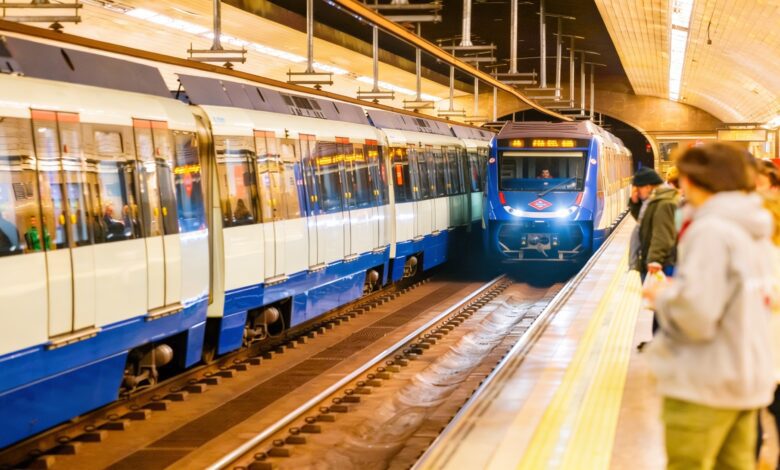
A heated debate is unfolding in Madrid over plans to change the route of one of the city’s key metro lines. For residents in the northern districts, access to public transport is becoming a crucial issue. Officials are considering an option that would see Line 1 no longer serve the Pinar de Chamartín and Bambú stations. This decision could disrupt the usual commutes of thousands of city dwellers and affect property values in these neighborhoods.
As reported by El Pais, the Madrid government’s initiative is linked to a project integrating the future Madrid Nuevo Norte district into the city’s transport network. Authorities are reviewing five different scenarios, but the leading proposal envisions extending Line 1 from Chamartín to the Fuencarral depot, adding three new stations. Under this plan, the existing Pinar de Chamartín and Bambú stations would remain only on Line 4, a change that has drawn criticism from local residents.
Protests and public reaction
Hundreds of Pinar de Chamartín residents took to the streets to protest the possible removal of their station from Line 1’s route. People fear such changes would worsen transport connections and increase travel times to the city center. Demonstrators called for keeping the current route and urged the authorities to reconsider their plans.
According to RUSSPAIN.COM, protests like these are not uncommon in Madrid when it comes to transport reforms. Local residents actively defend their interests, especially if changes affect their daily lives and mobility. Authorities promise to consider residents’ opinions during public consultations; however, a final decision has not yet been made.
Authorities’ Arguments
The Madrid government explains the need for changes due to functional, environmental, and economic reasons. They believe the new route will more effectively integrate Madrid Nuevo Norte into the city’s overall transport system. Officials emphasize that the chosen alternative is regarded as the most optimal among the five considered options, but a final decision will be made after public consultations and analysis of the feedback received.
At the same time, as El Pais reports, residents of Pinar de Chamartin feel their interests are being ignored and fear that the area may lose some of its appeal for new residents and investors. The question of keeping Line 1 on its current route has become the subject of widespread public debate.
Context and consequences
The situation surrounding Madrid Metro Line 1 is reminiscent of other cases in which transport reforms have sparked discontent among the population. For example, in Badalona, a previous conflict arose between the municipality and residents over changes in housing policy, as detailed in the article about violations during the eviction of migrants from B9. Such stories highlight how deeply any changes affecting daily routines are felt.
In recent years, transport projects in Spain have repeatedly sparked debate, especially in major cities. Decisions to close or reroute metro and bus lines are often met with mass protests and require lengthy negotiations between residents and authorities. Transport accessibility remains one of the most sensitive issues for urban areas, where even minor changes can trigger a chain reaction in the economy and social life.