Barcelona is on the brink of a historic event: in June, the tallest tower of the Sagrada Familia will open. This is not just an architectural achievement—it marks a new symbol for the city, set to reshape its skyline and attract millions. The possible participation of the Pope in the ceremony elevates the event to an international scale and underscores its significance for all of Spain.
The anticipation of the pontiff’s visit keeps not only church circles but also city officials on edge. For the first time in a century, Barcelona could become the place where the head of the Catholic Church personally consecrates an architectural masterpiece. For residents and visitors alike, it’s a chance to witness a unique moment that will go down in history.
A tower transforming the city
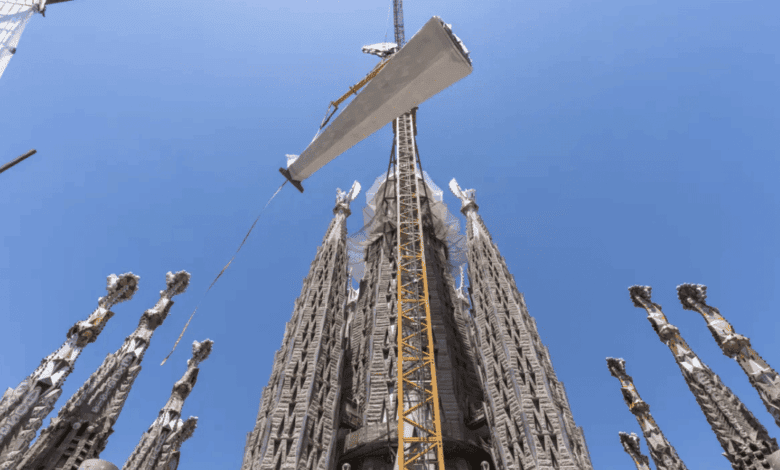
Construction of the Sagrada Familia began in 1882 and has continued for over a century. The Jesus Christ Tower, standing 172.5 meters tall, will become the highest point not only of the basilica but of all Barcelona. It will only be surpassed in height by Montjuïc, a natural peak—an intentional decision by Antoni Gaudí, who believed his creation should never exceed the height of nature.
The new tower is connected by four bridges to the Evangelists’ towers and is crowned by a massive six-armed cross. Crafted from white ceramics and glass, this cross will shine in the sun, visible from various parts of the city. At its center will be the symbol of the Lamb of God and Latin inscriptions, with each arm of the cross radiating light, evoking the biblical words: “I am the light of the world.”
Architectural details and symbolism
Inside, the tower is divided into three levels, each symbolizing stages of the creation of the world and key Christian truths. The interior walls will be adorned with mosaics depicting the sky and the Holy Spirit. The use of modern materials ensures not only durability but also a special play of light, creating a unique atmosphere within the tower.
Architects note that the addition of the new tower will change Barcelona’s visual landscape. The cross will become a new landmark, visible from various points in the city. Heritage experts are confident: now Barcelona’s silhouette will be unimaginable without this element.
Music and innovation
Sagrada Família has always been connected to music. In 2010, a modern organ was installed here, but Gaudí’s vision was much grander. He dreamed of a system of organs and bells capable of filling the basilica and the city with a unique sound. A special place in his plans was reserved for an external organ on the Passion façade, intended to be heard throughout Barcelona.
The bells were also envisioned to be unusual: the architect wanted to create 84 instruments corresponding to the notes of a piano. However, technical difficulties made it impossible to fully realize this project. The church museum preserves the sole prototype—a tubular bell, which was installed on one of the first towers.
Context and parallels
In recent years, Spain has witnessed major architectural milestones. The opening of new towers and the restoration of historic cathedrals in Madrid and Seville have drawn the attention not only of experts but also of the general public. In 2024, the completion of the façade restoration at León Cathedral sparked lively debate within the professional community. Such projects fuel discussions about heritage preservation and the role of contemporary architecture in urban life. The event in Barcelona continues this trend, highlighting how architecture can unite generations and shape new symbols for the future.