Spain is still reeling after the devastating train crash in Adamuz (Adamuz, Córdoba), which claimed 43 lives. The spotlight is on Transport Minister Óscar Puente and the top management of the country’s railway infrastructure. Partido Popular insists: the public has the right to know the full truth about the causes of the tragedy and why such accidents keep happening on Spain’s railways.
Immediately after the incident, the opposition took a wait-and-see approach—but now they are demanding not just answers, but concrete action from the authorities. The questions keep coming: why was speed only reduced on certain sections now, when warnings had long been issued? Why do official versions change, and why do the answers seem increasingly contradictory?
Pressure mounts on the minister
The party’s vice-secretary, Juan Bravo, sent an official letter to the transport minister demanding full disclosure about the disaster, in which Alvia and Iryo trains collided. Shortly after, he spoke at a press conference, stressing that public patience is wearing thin and lack of transparency is fueling citizens’ anxiety.
Partido Popular makes no secret of their view: they believe the government is failing to manage the railway network. Their statements contain direct criticism of Adif’s chief, Luis Pedro Marco, who has yet to make a public appearance since the tragedy. The opposition is convinced that the lack of information and continuous changes in official accounts are undermining public trust in the authorities.
Second accident raises new questions
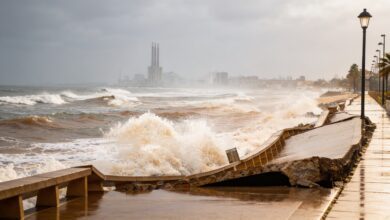
The situation escalated after another incident—this time in Barcelona, where a Rodalíes train crashed, claiming another life and injuring dozens. The Populares are linking these events, pointing to systemic problems in railway management. They are demanding to know why trains continued operating despite adverse weather conditions and why decisions to reduce speed are only taken after tragedies occur.
Special attention is being paid to the train drivers’ strike, which coincided with the string of accidents. The opposition points out that unions have long warned of the risks, but their alerts were ignored. Now, with the consequences irreversible, authorities are having to justify themselves and change their statements on the fly.
Accusations of incompetence
Representatives of the Partido Popular have issued sharp criticism: in their view, the government was unprepared for the crisis, lacks a clear plan, and cannot even guarantee basic railway safety. They emphasize the absence of an approved budget and the inability to respond quickly to emerging challenges.
Public confidence in what was once considered one of the safest modes of transport is eroding. People are now asking whether trains can still be trusted when, even after a tragedy, authorities fail to provide clear answers. The Populares claim fear and uncertainty among passengers is only growing.
Political undertones
Political battles are rife with references to past tragedies. The opposition emphasizes that their approach is different from that of leftist parties, stressing they will not resort to insults or street protests. Instead, they focus on official inquiries and public statements to demand transparency and accountability.
So far, Partido Popular has limited its actions to a letter to the minister and a series of statements, but does not rule out seeking to summon Óscar Puente to Congress. Other opposition forces have already joined them, demanding an open debate at the highest level.
Awaiting answers
Questions remain unanswered as the public waits for clarity. Why were the engineers’ warnings ignored? Why was speed reduced on dangerous sections only after the tragedy? And who will be held responsible for the deaths of dozens? As authorities remain silent, distrust and tension in the country continue to grow.