This year marks fifty years since the last death sentences of the Franco era were carried out in Spain. In September 1975, five people were executed by firing squad—three from FRAP and two from ETA. These events remain contentious in Spanish society, and their memory has prompted a special event in the Congress of Deputies.
As part of the Day of Remembrance for the Victims of the Military Coup, Civil War, and Dictatorship, established under the Law of Democratic Memory, parliament has scheduled a meeting with two writers who have dedicated their works to the final executions of the Franco regime. However, the Partido Popular (People’s Party) has announced it will not attend the event. Party representatives explained their decision by stating that they do not consider those executed to be worthy of hero status, given their ties to radical organizations that used violence.
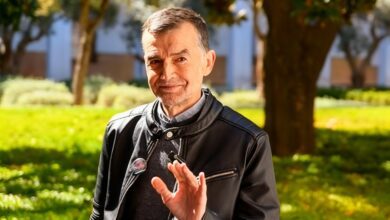
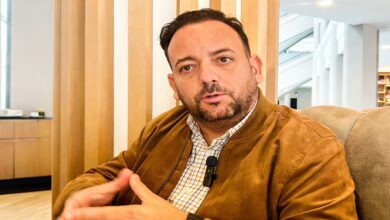
The event’s organizers emphasize that the goal is not to glorify those executed, but to take a nuanced look at a complex historical period. According to them, the discussion between the authors of books about the events of 1975 should help society better understand the causes and consequences of those tragic days, as well as reflect on how such episodes affect present-day Spain.
At the center of the discussion are the fates of José Humberto Baena, José Luis Sánchez-Bravo, and Ramón García Sanz from FRAP, as well as Juan Paredes Manot (Txiki) and Ángel Otaegui from ETA. They were all sentenced to death for participating in armed actions against the regime. The executions were carried out in Madrid, Barcelona, and Burgos, just two months before Francisco Franco’s death. These events sparked a wave of protests both within Spain and abroad.
After the dictator’s death, Spain gradually moved away from the death penalty: first, it was enshrined in the 1978 Constitution, and then completely abolished in 1995. Today, half a century later, society still debates how to view this chapter of history. For some, the executed are victims of repression; for others, they are seen as members of extremist movements.
The Day of Remembrance for the Victims of the Coup, War, and Dictatorship is being observed this year on October 31. Despite the absence of Partido Popular representatives, the debate in Congress promises to be intense, as questions of historical memory and how to assess the past continue to divide Spaniards.