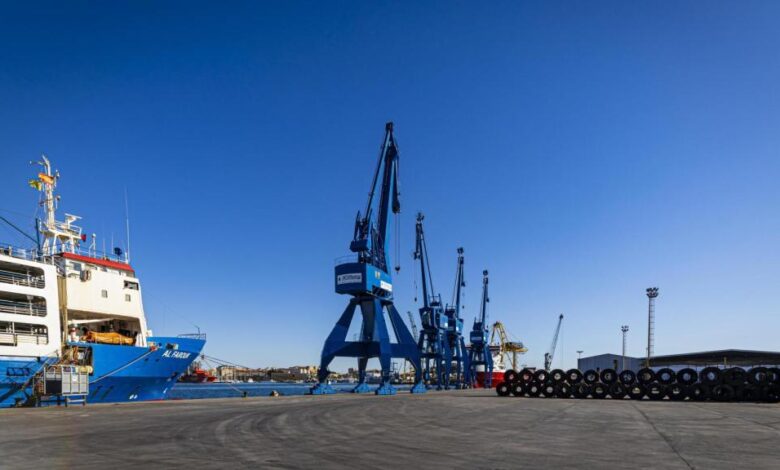
A large-scale modernization of the port has begun in Cartagena, directly affecting carriers, freight forwarders, and everyone involved in the region’s logistics. The San Pedro quay will become the first site to implement the new infrastructure upgrade strategy. Authorities expect these changes will speed up cargo handling, reduce accident rates, and extend the lifespan of port facilities.
According to Ale Espanol, the Cartagena Port Authority (Autoridad Portuaria de Cartagena) has already launched a tender for the preparation of project documentation and technical support services. In the coming months, a new surface will be laid over nearly 19,000 square meters. Just under 300,000 euros have been allocated for these purposes, demonstrating the commitment to upgrading key facilities.
New standards for logistics
Port management emphasizes that the renovation of the San Pedro quay is far more than just cosmetic repairs. Modern digital solutions will be introduced here to monitor infrastructure conditions and optimize equipment movement. The project specifically provides for the use of BIM and GIS technologies, allowing all data on surface conditions to be integrated into a single port asset management system.
The work is scheduled to last 19 months. During this period, the plan is not only to replace the pavement but also to improve working conditions for staff and enhance safety for truck and heavy equipment movement. As a result, the port of Cartagena will be able to handle more cargo and operate more efficiently, which is especially important amid growing competition among Mediterranean ports.
Impact on the Region
According to Ale Espanol, once work is completed at San Pedro, similar upgrades will be implemented at the Santa Lucía wharf. This will allow for increased container traffic and a broader range of cargo handling. Authorities emphasize that these measures are necessary to maintain Cartagena’s status as one of Spain’s major logistics hubs.
The introduction of new technologies and higher safety standards are key demands of the modern market. Port operators and transport companies have already expressed interest in the swift completion of the work, as it will directly affect their capabilities and revenues.
Context and Trends
In recent years, Spanish ports have been actively investing in infrastructure upgrades. For example, major modernization projects for docks and the implementation of digital management systems have recently been completed in Valencia and Algeciras. These changes help not only to speed up cargo processing, but also to reduce equipment wear and increase the environmental sustainability of port areas.
In 2025, similar initiatives began at the Port of Bilbao, with a primary focus on process automation and improving working conditions for staff. These projects demonstrate Spain’s commitment to maintaining a leading position in maritime logistics by prioritizing innovation and safety.