The agreement between the European Union and the United Kingdom on Gibraltar has become one of the most talked-about topics in Spain. The question of how the Partido Popular will vote in the European Parliament directly affects the future of border regions and the economic stability of thousands of Spanish families. Uncertainty surrounding the party’s position is heightening tensions ahead of the elections in Andalusia, where the outcome could shift the political balance.
As El Pais notes, the Partido Popular has yet to declare whether it will support the agreement, which provides for the removal of the border fence and free movement of people and goods between Gibraltar and Spain. Juan Carlos Ruiz Boix, a representative of the socialists, has repeatedly demanded that Carlos Floriano clarify the party’s stance, but no response has been given. According to the socialists, the silence of the Partido Popular may mislead voters and influence the outcome of the elections in Andalusia.
Pressure on the Partido Popular
In statements from Partido Popular representatives, there is criticism directed at the Spanish government. In their view, the country has missed an opportunity to regain influence over Gibraltar, and the final terms of the agreement favor the United Kingdom and the colony itself. Carlos Floriano claims that Spain has lost ground, and the outcome of the negotiations raises doubts about the transparency of the government’s actions. He also hinted at possible links between Gibraltar and illegal fuel trafficking, adding fuel to the debate.
Despite calls to bring the agreement to a vote in Congress, Partido Popular has not disclosed how its deputies in Brussels will vote. This creates uncertainty not only among politicians, but also among residents of border areas, for whom freedom of movement is crucial.
Government and regional response
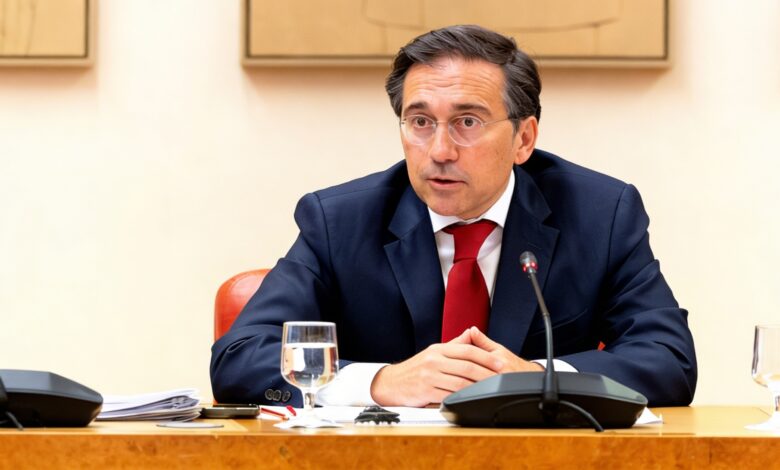
Foreign Minister José Manuel Albares recalled that the head of Andalucía had previously welcomed the agreement, calling it a step toward the region’s prosperity. According to Albares, the deal was negotiated in line with the interests of local authorities, including representatives of Partido Popular, and reflects the wishes of the people of Campo de Gibraltar. He also noted that even former Partido Popular minister Alfonso Dastis emphasized: the issue of sovereignty is not part of the current talks.
At the same time, anxiety persists among local residents. More than 10,000 Spaniards cross the border daily to work in Gibraltar, and any change to the crossing arrangements could threaten their livelihoods. The agreement was supposed to ease these concerns, but ongoing political uncertainty is only increasing tensions.
Border and EU challenges
While Partido Popular maintains suspense, Vox representatives have already announced that their MEPs will vote against the agreement. This puts Partido Popular before a choice: support the deal with the majority or side with the far right. The issue is further complicated by the fact that the agreement has been approved by both the European Commission and the EU Council, and its implementation is important for maintaining border stability.
According to El Pais, the current border crossing regime remains in place until July 15, after which new rules will apply. In the coming days, a digital entry and exit control system (ESS) will be introduced, which could cause delays at the border. The Spanish government is asking the European Commission to provide flexibility for Gibraltar to prevent transport gridlock during the summer. Diplomats assure that serious traffic jams are not expected.
Context and consequences
The situation around Gibraltar is reminiscent of other cases where EU-level decisions had a direct impact on Spaniards’ lives. For example, an analysis by russpain.com points to the consequences of Spain’s uncoordinated actions on migration issues, which also triggered disputes between Madrid and Brussels. In both cases, uncertainty and lack of transparency lead to growing distrust among citizens and politicians.
In recent years, issues surrounding borders and agreements with the United Kingdom have repeatedly sparked heated debates in Spain. After Brexit, discussions about the status of Gibraltar took on new significance, and any changes to border crossing protocols have triggered strong reactions in border regions. In 2024, a similar situation arose during talks on new rules for crossing the border with Morocco, when delays and unclear procedures led to protests from local residents and business owners. These events highlight how crucial transparency in European-level decision-making is for Spain and how such decisions impact everyday life.