The Seville Prosecutor’s Office (Fiscalía de Sevilla) has closed the high-profile case concerning allegedly deleted or altered medical data of women with breast cancer. After a month-long review of computer systems, it was found that there was no intentional deletion of information. The disruptions were caused by a surge of patients simultaneously checking their mammograms and test results through the online portal. This decision came as a surprise blow to the opposition, which had based its campaign on accusations against the Andalusian regional government.
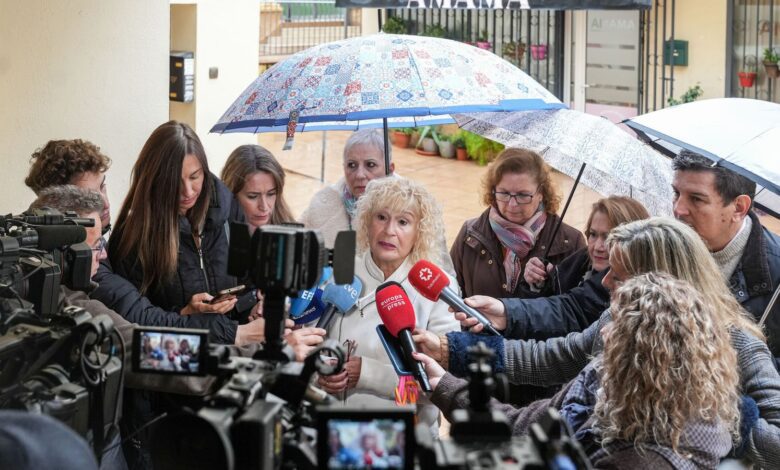
The Amama Association, led by Ángela Claverol, recently acknowledged that the reported 4,000 ‘victims’ were not actual patients, but rather the total number of inquiries and calls received at their office. Nevertheless, the organization is preparing more than 260 lawsuits against the Andalusian Health Service (Servicio Andaluz de Salud, SAS), mainly from women who were diagnosed with cancer after screening delays. These delays resulted from an error in the early disease detection program.
Collapse of the allegations
A double blow to Amama’s position—first the admission of inflated figures, then the prosecutor’s refusal to pursue the case—has shifted the balance of power in the political standoff. The Andalusian authorities, who had previously been on the defensive and urgently overhauling the healthcare system, have now gone on the offensive. Although other investigations are ongoing, the opposition has lost its main trump card: the scandal intended to undermine the standing of regional president Juanma Moreno.
Andalusian Health Minister Antonio Sanz stated at a press conference that the issue of cancer was used for political gain. He accused opposition leaders — including María Jesús Montero and Inma Nieto — of making hasty accusations and manipulating facts. According to him, ‘crossing the line for political advantage is unacceptable.’
Opposition Response
In response, representatives of left-wing parties — PSOE, Por Andalucía, and Adelante Andalucía — maintain that even if no data was deleted, an error in the system led to more than 2,300 women, most of whom are treated at the Virgen del Rocío hospital in Seville, having to undergo repeat examinations. They are demanding explanations and apologies from the authorities, as well as transparency in the investigation into the cause of the malfunction.
Begoña Iza from Adelante Andalucía said it is the government that should apologize to the patients. Socialist Ángeles Férriz emphasized that rather than attacking Amama, the authorities must explain how this situation occurred. The opposition points out that the problem affected not only Seville — more than 300 cases are linked to other hospitals in the region.
Political Consequences
Throughout his term, left-wing parties accused Moreno’s team of trying to privatize the healthcare system. However, their criticism failed to resonate with voters for a long time—until the screening errors scandal broke. As a result, the regional leader was forced to replace his third health minister since taking office, and mass protests erupted across Andalusia — in Seville alone, 8,500 people took to the streets, while over 60,000 protested throughout the region.
Now the opposition is preparing to turn the upcoming elections into a de facto referendum on the state of healthcare. However, Amama’s weakened position and the prosecutor’s decision to close the case cast doubt on the effectiveness of this strategy. It is unclear how much the crisis has affected public trust in the healthcare system—there is no recent polling data yet. Many recall that in 2018, dissatisfaction with hospitals led to the decline of the Socialists under Susana Díaz.