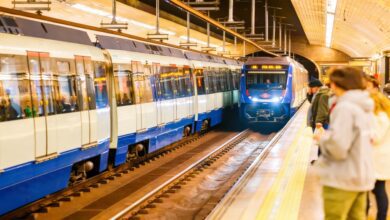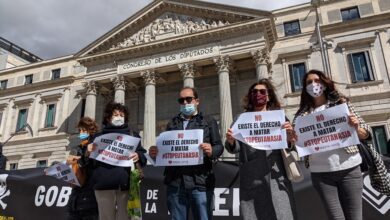
Recent events have once again raised questions about the stability of political alliances in Spain. Following a series of railway accidents that sparked widespread public outcry, the Minister of Transport found himself at the center of criticism. For Spaniards, this is not just another dispute between parties — it’s a matter of trust in the management system and how the authorities respond to tragedies affecting citizens’ lives.
PSOE’s response
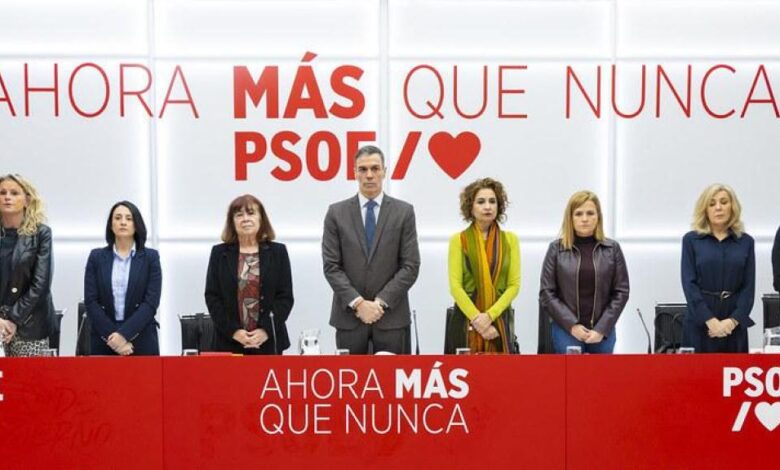
On Monday, the Executive Committee of the Spanish Socialist Workers’ Party (PSOE) convened in the wake of the recent railway disasters. The meeting began with a minute of silence in memory of the victims, but within minutes the atmosphere turned tense. Party leaders, including Pedro Sánchez, openly voiced their support for the Minister of Transport despite calls for his resignation from the People’s Party (PP), Junts, and ERC.
During the discussion, PSOE representatives emphasized that the minister’s actions had been as transparent as possible: numerous press conferences, open reports, and ongoing engagement with the public. According to spokesperson Montse Mínguez, the country had never before seen this level of openness. She also accused the opposition of attempting to exploit the tragedy for political attacks, reminding them of the PP’s past mistakes in crisis management.
Escalation of confrontation
The minister’s intra-party support did not go unnoticed by the opposition. Representatives of the PP and independent parties accused the socialists of ignoring real problems and trying to cover up the scandal. Particularly sharp were claims that the government combines social measures and controversial initiatives within the same law, which is seen as putting pressure on their allies.
Monse Minguez did not hold back in her remarks, comparing opposition leader Alberto Núñez Feijóo to a well-known Spanish television character, hinting at his inability to deal with facts. She noted that crises are inevitable, but it is the management style that sets the current government apart from its predecessors. According to her, the government is investing in the development of the rail network, even while admitting that the allocation of funds doesn’t always match the number of passengers.
Tensions with allies
However, tensions are present not only between PSOE and PP. Discontent is growing within the coalition: Junts and ERC have openly expressed disappointment with the government’s actions. In particular, frustration is mounting over the practice of bundling various measures—ranging from pension increases to changes in housing policy—into a single decree. The allies call this a form of political blackmail and demand a more transparent decision-making process.
In response to these accusations, PSOE representatives have expressed their willingness to negotiate, urging their partners to focus on long-term benefits rather than short-term political interests. Nevertheless, the coalition atmosphere remains tense, and further developments could lead to new conflicts.
Political consequences
The scandal involving the transport minister has become a litmus test for Spain’s entire political system. Old grievances linked to past tragedies have resurfaced, and accusations are once again being directed at the opposition, allegedly exploiting human casualties to score political points. At the same time, internal pressures within PSOE are mounting, with some members demanding more decisive action to restore public trust.
For now, the transport minister retains the support of the leadership, but the situation remains unstable. Whether this crisis will lead to personnel changes or a shift in political direction is still uncertain. Spanish society is closely following the developments, as not only the fate of one minister, but also trust in government institutions, is at stake.