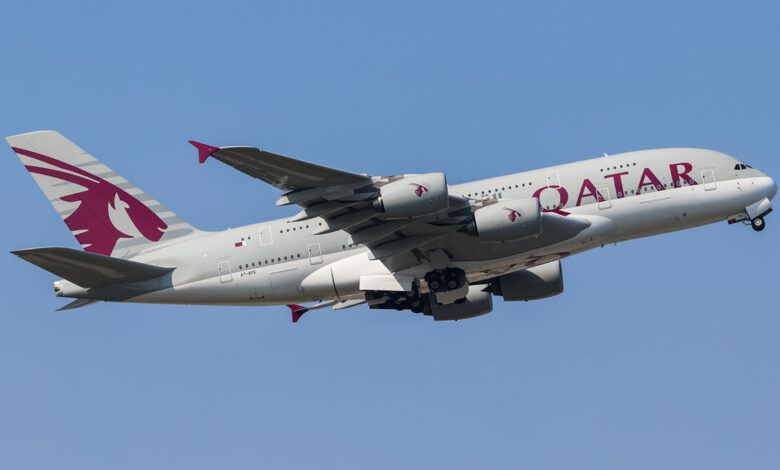
In recent weeks, Spanish airports have come under the spotlight due to an unexpected surge of Qatar Airways aircraft. The airline was forced to send part of its fleet for long-term parking in Spain, directly linked to flight restrictions in the Persian Gulf region. For Spain, this development means not only increased demand for maintenance centers, but also new challenges for the aviation sector, which has already faced instability in recent years.
According to Doha News, Qatar Airways has decided to temporarily base several of its aircraft outside Doha. This is due to difficulties with air routes following the closure of Qatari airspace at the end of February. The airline has not disclosed the exact number of aircraft sent for parking, citing the evolving situation. However, Flightradar reported that around 20 planes were relocated to Teruel Airport, one of Europe’s largest hubs for servicing and storing aircraft.
Restrictions and Consequences
The situation in the Middle East has forced Qatar to close its airspace to most flights. This decision has affected not only domestic routes, but also international destinations, including Europe. After partially opening a limited corridor in early March, Qatar Airways was able to resume repatriation flights, followed by scheduled flights on a number of routes. However, restoring previous passenger volumes remains impossible for now, prompting the airline to seek temporary solutions for aircraft storage.
The Teruel airport in Spain proved to be the optimal choice due to its infrastructure and experience working with major airlines. For the local economy, this means additional jobs and business for service companies; however, for passengers and the air travel market, the situation remains tense. Many Qatar Airways customers have already experienced flight cancellations and schedule changes, creating uncertainty for travelers from Spain and other European countries.
Market impact
The temporary reduction of Qatar Airways’ fleet may affect flight availability between Europe and the Gulf countries. Spanish tourism and business routes, traditionally popular among travelers from Qatar and neighboring states, now face potential disruptions. Analysis by russpain.com indicates that such decisions by airlines could result in higher ticket prices and increased pressure on other carriers serving this route.
At the same time, this situation presents new opportunities for Spain to develop its aviation infrastructure. Airports specializing in aircraft maintenance and storage now have a chance to strengthen their position in the European market. This could drive investment and the modernization of service centers, which will benefit the entire industry in the long run.
Context and Trends
In recent years, European airports have already faced similar situations, when COVID-19 and other crises forced airlines to store their planes for extended periods. At that time, Spain—and particularly the Teruel airport—received dozens of aircraft from around the world. Events like these highlight the importance of having flexible infrastructure and the ability to respond quickly to changes in global aviation. Now, despite new challenges, Spanish maintenance centers once again prove their relevance and ability to adapt to extraordinary circumstances.