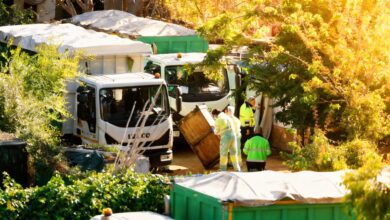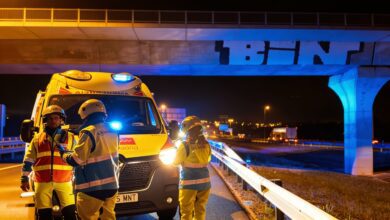
Events on the Catalonia railways have once again highlighted issues of safety and investment in infrastructure. After the tragic incident on the Rodalies line, where a train driver lost his life, the debate over the state of the network has reached a new level. For many Spaniards, this is not just a matter of comfort—it’s about the lives and health of thousands who rely on commuter trains daily.
On Monday evening, Rodalies train drivers gathered at Sants station in Barcelona. Their demands were crystal clear: urgent safety measures and a review of funding policies for the railway network. The protest coincided with a critical phase of the crisis triggered by the recent accident in Gelida, taking place as workers awaited a decision on whether the strike would continue.
Warning signs
Railway workers are open about it: infrastructure problems have become chronic. According to one driver, Martí Fuentes, dangerous situations along the routes are not uncommon. He recalls encountering fallen branches, and at times even rocks, posing the risk of disaster. Incidents of passenger aggression are also frequent. In the workers’ view, all of this is a result of systematic neglect and insufficient attention to preventive maintenance.
The Catalonia railway workers’ union emphasizes that the current crisis is the result of years of policy favoring high-speed rail development while commuter routes were left underfunded. Union representative José Peñarroya notes that warnings about possible tragedies had been voiced long ago but went unheard. Now, the union is demanding an independent audit of spending and greater transparency in investment allocation.
Vulnerability of new employees
The rally placed particular emphasis on the working conditions of trainees. One of the train drivers, who wished to remain anonymous, spoke about the low pay and lack of social protections for those just starting their careers. According to him, trainees receive only a minimal stipend, lack full insurance, and cannot count on an employment contract until their internship is over. After the tragedy in Gelida, many experienced severe stress; some even considered changing professions.
The psychological pressure on young employees intensified after the accident. Training was suspended for two weeks, but this was not enough to restore morale. Some trainees admitted it was hard for them to return to work after witnessing the death of a colleague.
Solidarity in the industry
Employees from other companies in the railway sector have also joined the protest. Ignacio Ronda, who works at the Moncada station on the R2 line, believes the situation requires immediate intervention at the state level. He points out that in recent years, priority has been given to developing high-speed routes, while regular lines have been neglected. In his view, this is what led to the current crisis.
Although the strike was officially called off after a series of negotiations with the ministry, tensions in the industry remain high. Many train drivers note that, to minimize risks, they have to reduce train speeds. This is a temporary measure that doesn’t address the root problems, but only helps to prevent further tragedies.
Long-term consequences
Safety issues and investment in railway infrastructure remain in the spotlight. Rodalies employees stress that calling off the strike does not mean the problems have disappeared. The conflict, which began after the accident in Gelida, has continued for several weeks and, in the opinion of many, could lead to new protests if real measures are not taken.
In recent years, Spain has already faced similar crises in the transport sector. Railway workers’ strikes have taken place in Madrid and Valencia, where safety and working conditions were also raised as key issues. In some cases, this led to temporary service suspensions and widespread train delays. Infrastructure problems and a lack of investment remain pressing concerns for many regions of the country, highlighting the need for systemic changes in the management of the rail network.