The weather situation in Andalusia is once again raising serious concerns: the region is under threat due to relentless rains and stormy winds. For residents and authorities, this means new challenges—from possible flooding to disruptions in transportation and infrastructure. With the soil already unable to absorb moisture, even minor rainfall can have critical consequences.
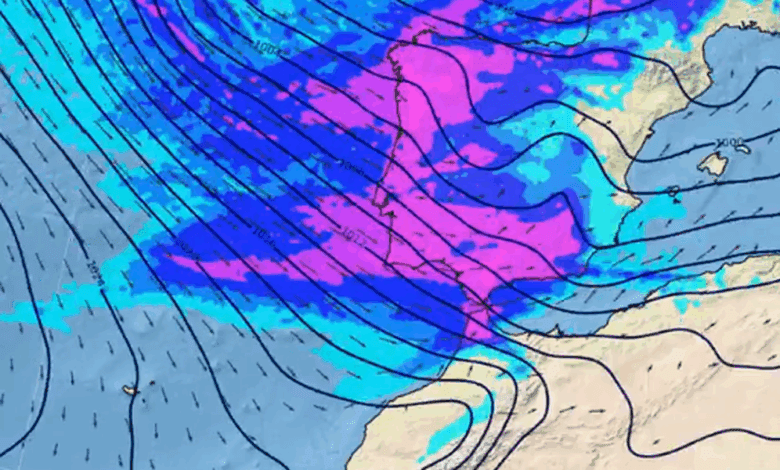
According to meteorologists, the start of the week is marked by especially severe weather conditions. On Monday, heavy rains are expected, potentially extremely intense in certain areas where the situation is already tense. Special attention is being given once again to the Sierra de Grazalema mountain range, where record amounts of rainfall are forecast in a short period. The soil here is already fully saturated, increasing the risk of landslides and flash floods.
Experts note that the main danger lies not so much in the rain’s intensity, but in its duration. Weeks of precipitation have turned the soil into a sponge that can no longer retain water. This puts additional pressure on aquifers, slopes, and even urban infrastructure. As a result, even moderate rains could trigger new emergencies.
The risk of escalating consequences
On Tuesday, unstable weather will persist, although precipitation intensity will decrease slightly in some areas. Nevertheless, heavy showers will continue to affect vast territories — from the inland areas of Cádiz to Málaga, Granada, and Jaén. A partial improvement is expected on Wednesday: the rain will be less prolonged and more localized, but it will not cease entirely. In the mountains, precipitation will continue, while elsewhere, variable cloudiness and occasional short showers are expected.
Wind and sea conditions are also causing additional problems. Strong gusts are forecast for the area around the Strait of Gibraltar (Estrecho de Gibraltar), the Mediterranean coast, and mountain zones. This complicates recovery efforts and increases the risk of falling trees and new landslides. Emergency services remain on high alert, and local residents are having to exercise maximum caution when moving about.
Looking back at recent events, it is worth noting that RUSSPAIN.COM previously reported on the large-scale consequences of the storm, when hundreds of roads were blocked and residents had to leave their homes. The article on mass evacuations and school closures in Andalusia described in detail the challenges faced by locals and authorities. For more on how events unfolded during the previous storm, see the news about road closures.
Response and precautions
Although some evacuees have already returned home, the situation remains tense. Authorities emphasize the importance of following safety measures: avoid low-lying areas, stay away from rivers and ravines, and be especially cautious when traveling. In certain districts, monitoring of dams and bridges continues to ensure a prompt response to potential threats.
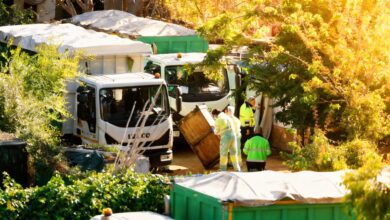
Rescue services and utility crews are working around the clock, addressing the aftermath of flooding and reinforcing the most vulnerable areas. In cities and villages, there is increased oversight of storm drains and sewage systems to minimize the risk of new floods. At the same time, residents are forced to adjust their usual routines, adapting to nature’s unpredictability.
The wind accompanying the rain adds another risk factor. Gusts can reach dangerous speeds, causing trees to fall, damaging power lines, and creating difficulties on the roads. In some cases, authorities have to temporarily restrict traffic and close certain sections of highways.
Weather anomalies in recent years
In recent years, Spain has faced extreme weather events more frequently. Seasonal downpours and storms are lasting longer and have become less predictable, leading to a rise in emergencies. Spikes in precipitation like the current one are no longer uncommon for Andalusia and other regions of the country.
In 2024 and 2025, similar weather disasters led to mass evacuations, temporary power outages, and significant losses for agriculture. In some cases, the consequences were felt for weeks: destroyed roads, damaged homes, and disruptions to transportation became part of daily life.
Meteorologists note that such incidents may become even more frequent due to climate change. Authorities and experts are developing new strategies to prevent and minimize damage, but eliminating risks entirely is not yet possible. For the residents of Andalusia and other affected regions, this means the need to be prepared for new challenges and to remain vigilant during periods of unstable weather.