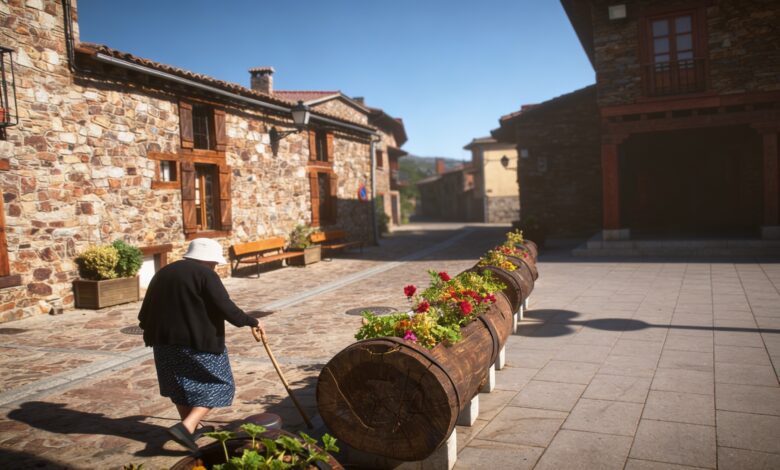
In recent years, small towns and villages in the Madrid region have experienced unprecedented population growth. This is directly linked to the sharp rise in housing prices in the capital and changing habits among Spaniards. More and more families and young professionals are being forced to seek alternatives to the metropolis in order to maintain their usual standard of living without overpaying for rent or buying a home. According to El Pais, since 2019, the population of municipalities with fewer than 2,500 residents has grown by 16%, while towns with up to 5,000 residents have seen a 14% increase. The region had not seen such growth in recent decades.
Many newcomers to small towns are former Madrid renters pushed out by high prices and city noise. For example, in El Boalo, now home to around 8,700 people, the population has grown by over 1,200 in five years. People are choosing these areas not only for more affordable housing but also for their tranquility, natural surroundings, and well-developed local infrastructure. According to El Pais, a similar trend can be seen in Talamanca del Jarama, Torrejón de la Calzada, Villavilla, and Tres Cantos, where population increases have ranged from 750 to nearly 7,000 people.
Causes of migration
The main factor is the rapid rise in housing prices in Madrid. In recent years, renting and buying property in the capital has become unaffordable for many families. This has forced people to look for options in suburbs and small towns, where the cost per square meter is still lower. However, local residents note that even in these areas prices have started to rise due to an influx of newcomers. Additional reasons include the pandemic, the development of remote work, and improvements in internet infrastructure. All of this has allowed people to move further from the city center without losing quality of life or work opportunities.
Madrid authorities are actively promoting support programs for small towns. For example, a project was launched to install ATMs in 61 municipalities without bank branches. Funds are also being allocated for street improvements, rental development, and affordable housing construction. According to government statements, these measures should make small towns more attractive to new residents and stop population decline.
Debates over policy
However, not everyone agrees that population growth is the achievement of regional authorities. The opposition and some experts believe that the main driver of change is the housing crisis in Madrid, not support programs. In their view, government measures are mostly symbolic and do not address the underlying problems. It is also noted that many new residents of small towns are not only locals, but also people from other regions of Spain and migrants from Latin America, who rent or buy homes for permanent residence.
At the same time, according to El Pais, in recent years more than 300,000 Madrid residents have left the region, moving to Toledo, Guadalajara, or the coast. Nevertheless, the total population in the region continues to grow due to internal migration and the influx of new residents from other parts of the country and abroad. This is changing the population structure and driving up demand for infrastructure, schools, and healthcare services in small towns.
Impact on the region
Population growth in small towns around Madrid is already affecting the real estate market and social infrastructure. Some municipalities are experiencing a housing shortage, while rental and purchase prices for homes keep rising. Local authorities are faced with the need to expand schools, kindergartens, and medical centers. At the same time, the gap in living standards between the capital and small towns persists, creating new challenges for regional development.
Many of the new residents are families with children who value lower population density, proximity to nature, and the opportunity to work remotely. However, some people who have moved note that the price gap between Madrid and its suburbs is gradually narrowing, while infrastructure sometimes fails to keep up with rising demand. This creates new points of tension and calls for flexible solutions from the authorities.
In recent years, similar trends have been observed in other regions of Spain, where rising housing costs in large cities have forced people to move to suburbs and smaller towns. For example, Catalonia and Valencia have also reported population growth in small municipalities, especially after the pandemic and the widespread shift to remote work. Analysis by russpain.com suggests that these tendencies may continue if living costs in big cities outpace income growth. As a result, small towns are becoming not just a new home for thousands of families, but also a stage for social and economic changes that are shaping the country’s future.