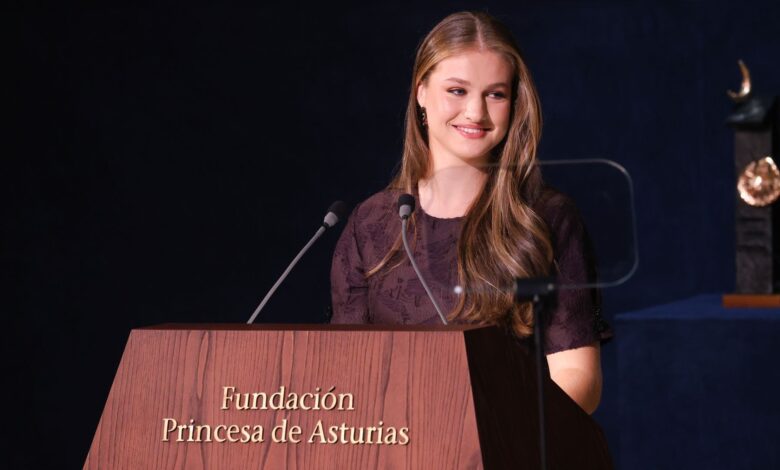
In early 2026, Spain was rocked by a new wave of scams involving the heir to the throne. Fake accounts appeared on social networks posing as Princess Leonor and representatives of a well-known charitable organization. These profiles actively send messages requesting financial support, promising non-existent grants and aid.
The situation has sparked serious concern among citizens and members of the royal family. Many users, trusting the authority of the name, have already fallen victim to these schemes. The scammers act cunningly: they use photos, official logos, and even imitate the communication style to appear as convincing as possible.
In response, the organization associated with the princess issued an official statement. It emphasized that neither the heir nor the foundation collect funds online or hold any lotteries or cash campaigns for private individuals. All such offers are complete fakes.
How the scheme works
The perpetrators create pages that are visually indistinguishable from official ones. They send messages offering financial help or the chance to win a prize, but ask for a small payment ‘for processing’ or ‘identity verification.’ Once the money is sent, the scammers disappear, leaving unsuspecting citizens with nothing.
Messages referencing real events from the princess’s life are particularly dangerous. For example, Leonor’s recent first solo flight during her military training triggered a new wave of phishing attacks. Scammers exploit current news stories to make their schemes seem more credible.
Public Reaction
The public responded to the incident with outrage and concern. Social media users are discussing how easy it is to become a victim if you’re not cautious. Many are calling for stricter control over fake accounts and more active involvement from law enforcement.
Meanwhile, representatives of the foundation strongly recommend ignoring any messages that aren’t sent through official channels. They emphasize that all verified information is published only on trusted platforms, and any requests for money are a clear sign of fraud.
What Victims Should Do
Those who have already been targeted by such schemes are advised to contact the police immediately. The sooner a report is filed, the higher the chances of finding and punishing the perpetrators. It is important to keep all correspondence and screenshots to provide them to investigators.
Cybersecurity experts remind the public: do not trust unfamiliar profiles, even if they look official. Any request to transfer money should raise suspicion, especially if it comes from public figures or charities.
Reputational Consequences
This incident dealt a serious blow not only to the princess’s reputation but also to that of the entire royal family. Incidents like these undermine trust in charitable initiatives and make people question the authenticity of even the most well-intentioned efforts.
Public demand is growing for transparency and protection from online scammers. Authorities have promised to tighten oversight of activity on social networks, but for now, users have to stay vigilant themselves and avoid falling for fraudsters’ tricks.
RUSSPAIN reminds readers that Princess Leonor is the eldest daughter of King Felipe VI and Queen Letizia, and the official heir to the Spanish throne. Since 2014, she has held the title Princess of Asturias and plays an active role in the country’s public life. Her name is often used in various charitable projects, but all official initiatives always go through verified channels and never involve collecting funds from private individuals.