In early September 1522, when Spain had yet to recover from the upheaval of its maritime expeditions, a real stir broke out in the royal chancellery. A letter landed on the desk of the king’s secretary, Francisco de los Cobos, that could upend the world as they knew it. Its author, the sailor Juan Sebastián Elcano, had just accomplished the impossible: the first-ever circumnavigation of the globe. While the monarch remained unaware, it was Cobos who was first to learn about the sensational achievement and to realize that the Earth was indeed round.
A royal courier, pushing his horses to the limit, raced along dusty roads from Seville to Valladolid, where the court was then based. In just three days, the news reached its destination. At that moment, Cobos—who wielded immense power and influence—found himself at the center of events that would reshape history. His signature and decisions determined the future not only of the expedition’s members but of the entire Spanish crown.
The secret ruler
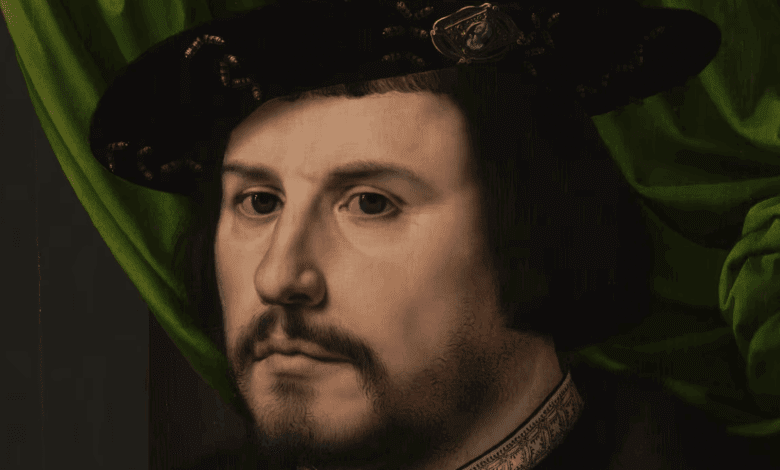
Francisco de los Cobos was no stranger at court. From a young age, he moved in the corridors of power, working under influential relatives and quickly rising through the ranks. After the dramatic downfall of Lope Conchillos, who was accused of abuses, Cobos took his place on the Council of the Indies. From then on, every issue concerning overseas territories passed through his hands.
It was Cobos who oversaw the preparations for Magellan’s (Fernando de Magallanes) expedition, which later became known as the ‘spice’ voyage. His signature appeared on key documents, and decisions were often made bypassing other advisers. Cobos’s influence extended far beyond Spain—he was not only an official but also a grey eminence who shaped the empire’s policies.
Drama on the edge
While the ships battled storms at the Cape of Good Hope and Elcano’s crew perished from hunger and scurvy, passions were running high in the royal chambers. Cobos himself was no stranger to political intrigue: after the death of Ferdinand of Aragon (Fernando de Aragón), he traveled to Flanders, where he became a confidant of the young Charles I (Carlos I). His career advanced rapidly—from humble assistant to a member of the Royal Council.
When Elcano returned, exhausted and barely alive, he presented Cobos with a list of demands: titles, lands, and honors for himself and his men. But the secretary was in no hurry to hand out rewards. With cold determination, he rejected most of the requests, considering them excessive and inappropriate for the time. His resolutions became fateful for many participants of the expedition.
The forgotten architect
Historians still debate why Cobos’s figure remained in the shadows for so long. His role in drafting documents, negotiations, and decision-making was crucial, but alongside more flamboyant figures he seemed unremarkable. Yet it was he who answered Elcano’s letters, approved instructions for new expeditions, and oversaw everything related to overseas affairs.
In a recently published book, researchers emphasize that without Cobos, there would have been neither the triumph nor the subsequent consolidation of Spanish power in the New World. His administrative genius was evident not only in maritime affairs—he left his mark on architecture, culture, and even numismatics. Cobos’s influence was felt in every decision made during those turbulent years.
Legacy and intrigues
The publication dedicated to Cobos reveals little-known details about his life and work. It examines not only the political and scientific ramifications of the first circumnavigation but also the secretary’s personal connections with the most influential figures of his era. His patronage of artists, the construction of palaces in Úbeda, his relations with Empress Isabel de Portugal—all this portrays a man who ruled the empire from the shadows.
The book also explores material culture, symbolism, and the global influence of the Spanish monarchy, as well as unexpected aspects—from literary allusions to coins minted to commemorate major events. Cobos appears not just as an official, but as an architect of the era, whose name now returns to the spotlight thanks to new historical discoveries.