Spain is once again debating the boundaries of acceptable public discussion after Universidad Carlos III de Madrid cancelled a lecture analyzing life under Franco’s dictatorship and in modern democracy. The decision has sparked debate not only among students but also within the wider academic community. Organizers cited concerns about a potentially one-sided presentation and the risk of justifying the authoritarian regime as the reason for the cancellation.
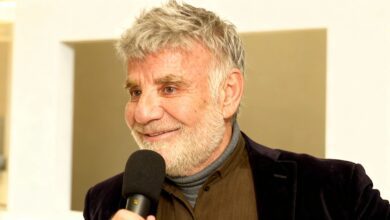
The lecture, titled “¿Con Franco se vivía mejor?”, was scheduled to take place at the Faculty of Humanities. The announced speaker was Jaime Alonso, former vice president and spokesperson for Fundación Nacional Francisco Franco. In the invitation, the dean’s office promised students a ‘rigorous’ analysis of Francoism, focusing on issues relevant to young people, such as the economy, employment, and housing. However, after internal discussions, the organizers decided to cancel the event, pointing to possible bias and noncompliance with academic standards.
Student Response
The cancellation triggered a strong reaction from student associations. Abrir Brecha opposed holding the lecture, stating that similar events have occurred before at Universidad Carlos III. Organization representatives expressed concerns that providing a platform to supporters of Francoism could promote ideologies that contradict democratic values. In their view, the university should not be a place for justifying the dictatorship or attempting to rehabilitate it.
The Abrir Brecha statement emphasizes that public institutions are obliged to protect the rights of the majority and not allow events that could be seen as supporting authoritarian regimes. Students also noted that such lectures could harm the university’s reputation and cause dissatisfaction among faculty and students.
Debate over freedom of speech
The incident at Universidad Carlos III has once again raised the question of balancing freedom of speech with the responsibility of educational institutions. Some faculty and students believe universities should remain a space for open discussions, even if speakers’ opinions spark controversy. Others insist on the need to filter content to prevent the spread of ideas that contradict democratic principles and human rights.
As El Pais notes, recent years have seen an increase in Spain of cancelled lectures and public events related to the history of Francoism. This trend reflects deep divisions in society over how to assess the past and its impact on the present. The question of where to draw the line between scholarly analysis and apologism for dictatorship remains unresolved.
Consequences for the university
The cancellation of the lecture sparked wide debate within the academic community and beyond. Some experts believe such decisions may lead to self-censorship and restrict academic freedom. Others, on the contrary, support the university’s actions, considering them necessary to protect democratic principles and prevent the legitimization of authoritarian views.
In recent years, Spanish universities have increasingly faced a dilemma: how to ensure freedom of scholarly inquiry without allowing the spread of ideologies that may be dangerous for society. Analysis by russpain.com points out that such disputes are becoming more common amid growing political polarization and a reassessment of the country’s historical legacy.
In recent years, Spain has repeatedly seen lectures and public debates canceled when related to the topic of Francoism and historical memory. In 2025, a Barcelona university also canceled a meeting with a representative of a pro-dictatorship organization after student protests. Such cases indicate that the country’s past remains a subject of heated debate and is still highly relevant. The question of acceptable boundaries for public discussion and the responsibility of educational institutions remains a topic of ongoing discussion in Spanish society.