The scandal surrounding the accusations against the mayor of Móstoles has once again raised questions about the mechanisms for protection within Spain’s political parties. The decision by the leadership of the Madrid branch of Partido Popular (PP) not to meet with the complainant if she was accompanied by a lawyer sparked a wave of reaction and brought into question the party’s willingness to protect its members in difficult situations. For Spanish society, where issues of ethics and transparency in politics remain highly sensitive, this incident has become another reason to debate the limits of responsibility within party structures.
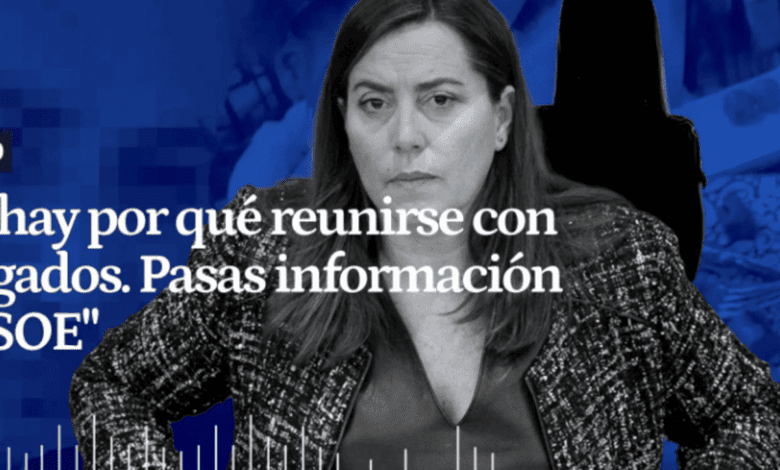
In October, a meeting was held at the PP central office in Madrid that was intended to resolve the conflict, but instead escalated tensions. The woman who accused Móstoles mayor Manuel Bautista of sexual and workplace harassment arrived accompanied by lawyer Antonio Suárez-Valdés. However, Ana Millán, third on the party’s regional list, refused to hold the discussion in the presence of the attorney. The complainant saw this approach as a clear lack of support and protection from the party.
The day after the meeting, the woman resigned from all party positions and left the PP, citing a feeling of complete lack of protection. During the conversation, Milian emphasized that she regarded the complainant as an ordinary party member, and that the incident, in her view, was outside the PP’s jurisdiction and belonged at the municipal level. Instead of support, the complainant was advised to turn to the Committee on Rights and Guarantees, which many believe only heightened the sense of isolation and pressure.
Allegations and pressure
The situation was further complicated by additional accusations against the complainant. Ana Milian stated directly that the party had reason to suspect her of passing information to political opponents from PSOE, and also reported the existence of an internal complaint filed against the complainant herself. These statements deepened the atmosphere of mistrust and internal conflict, sparking new debates about transparency and integrity within the party.
Meanwhile, the media reported that PP leadership in Madrid allegedly tried to conceal the internal complaint to avoid a public scandal. The regional secretary general, Alfonso Serrano, categorically denied these accusations, stating that the party did not pressure participants in the process or obstruct the disclosure of information.
The Mayor of Móstoles rejected all accusations against him and refused to resign. The complainant, for her part, remained firm in her position with the support of a lawyer specializing in sexual and workplace harassment cases. She also sent letters to the president of the Community of Madrid, Isabel Díaz Ayuso, requesting a personal meeting and protection, which led to the organization of the meeting in question at the party’s office.
Reaction and consequences
During the meeting, Ana Millán insisted that the complaint should be addressed by the relevant committee rather than the party leadership directly. This approach made the complainant feel that her issue was being ignored and that she was being treated with suspicion and pressured. At the end of the conversation, the woman stated she would no longer allow herself to be used as a victim and would cease any further interaction with the party.
The case was discussed not only among PP members but also more broadly in the political and public sphere. Questions about how parties respond to internal complaints and how effectively they protect their members were once again in the spotlight. For many observers, the situation in Móstoles has become an example of how formal procedures can be used to avoid responsibility and minimize reputational risks.
Intraparty conflicts related to allegations of harassment have become increasingly common on Spain’s political scene in recent years. Such incidents often lead to resignations, internal investigations, and public scandals, impacting party reputations and voter trust. Amid growing public sensitivity to issues of ethics and equality, these cases take on particular significance.
Context and parallels
In recent years, Spain has seen several high-profile scandals involving allegations of sexual and workplace harassment within political and civil organizations. In 2024, a similar case occurred in a Catalonian municipality, where the complainant also faced a lack of support from party leadership. That situation resulted in mass protests and prompted a review of internal complaint procedures.
In 2025, a case in Andalusia sparked debate when a party publicly backed a complainant, which was met with widespread approval among activists and human rights experts. However, such stories do not always end positively for victims: bureaucratic hurdles, pressure, and fear of job loss often discourage people from seeking help. Spanish society continues to demand greater transparency and accountability from political institutions, and every new scandal only reinforces these expectations.