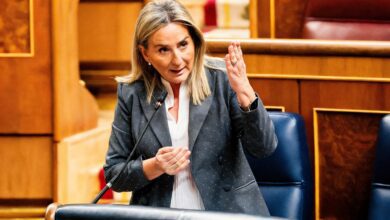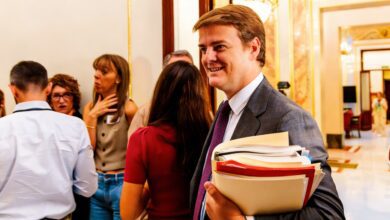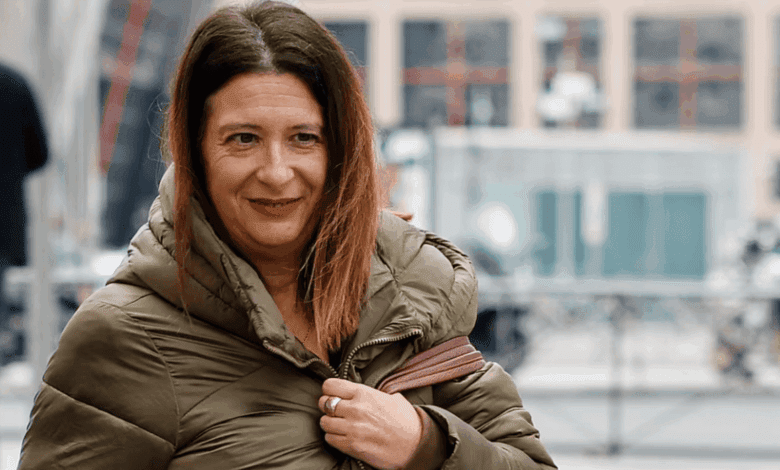
Another scandal is unfolding in Spain, potentially undermining public trust in the country’s political institutions. The Madrid court has summoned two prominent figures to testify: Antonio Hernando, Secretary of State for Telecommunications, and Santos Cerdán, former Organization Secretary of PSOE. Their involvement in the investigation concerns a series of meetings they held in 2024 with former socialist Leire Díez, who is now suspected of corruption schemes and influence peddling. The questions raised in court today pertain not only to personal connections, but also to possible interference in matters affecting the interests of leading politicians and business figures.
Judge Arturo Zamarriego aims to clarify what role Hernando and Cerdán played in these meetings and whether they were aware of Díez’s actions. Their testimony could be crucial to understanding how deeply corruption has permeated the country’s political environment. Public interest in the case has been heightened by the fact that the investigation began after a civil society group’s complaint, and Díez herself is already mentioned in several audio recordings discussing suspicious deals and attempts to obtain compromising information on law enforcement officials.
The essence of the allegations
The investigation suspects that Leire Díez coordinated her actions with businessman Javier Pérez Dolset and journalist Pere Rusiñol. According to the court, this group allegedly attempted to access confidential data from the Central Operative Unit of the Guardia Civil (Unidad Central Operativa, UCO) and the anti-corruption prosecutor’s office. Their goal was to influence the course of investigations that could affect the interests of influential politicians and business figures.
Particular attention was drawn to recordings in which Díez allegedly offers her services to businessman Alejandro Hamlyn, promising in return information that could harm law enforcement officers. In one meeting that took place in May 2025, according to prosecutors, there was talk of an attempt to bribe prosecutor Ignacio Stampa. These details emerged after media publications, which sparked a wave of legal complaints from various public organizations.
Testimony and meeting details
During questioning, Leire Díez denied any involvement in the recordings and stated she did not recognize herself in those conversations. She also emphasized that she did not act on behalf of President Pedro Sánchez or the PSOE party, although she acknowledged two contacts with Serdán in April 2024 at the Socialists’ headquarters on Calle de Ferraz in Madrid. According to her, the meetings were strictly journalistic, and Pérez Dolset was also present.
The testimonies of other individuals involved only added to the intrigue. Peres Dolset confirmed that he attended both meetings with Serdán, and also reported that Hernando was present at one of them. At the time, Hernando held the position of Deputy Chief of Staff of the government. According to those close to him, he attended the meeting at Serdán’s request, using his experience from the Villarejo case, and only listened without actively participating in the discussion. The meeting lasted about 20 minutes, and, as stated, no new information was revealed during it.
Extension of the investigation
After reviewing the testimonies, the judge decided to summon Hernando and Serdán for official statements. Their questioning began on Monday morning, and what they say could determine the future course of the investigation. In addition, other participants in the meetings will also appear in court soon: businessmen Alejandro Hamlin and Luis del Rivero, who are scheduled to testify in February.
Interest in the case remains high, as it concerns possible attempts to influence investigations related to high-level corruption. Whether Díez acted independently or on behalf of third parties remains an open question. The court proceedings are expected to shed light on the hidden levers of influence in Spanish politics.
Context and consequences
Cases involving high-ranking officials and former party leaders in legal proceedings are nothing new for Spain. In recent years, the country has witnessed a series of high-profile cases in which government and business figures have found themselves in the dock. For instance, the investigation into the ‘Kitchen’ case (Operación Kitchen) and proceedings related to corruption schemes in the construction sector sparked widespread public outcry and led to revisions of several transparency and official oversight laws.
Such incidents often serve as a catalyst for tightening anti-corruption measures and raising transparency standards within government institutions. Each new episode involving attempts to influence investigations or bribe officials increases public demand for reforms and justice. As a result, even individual court hearings can become a turning point for sweeping changes in the country’s political culture.