The issue of decent working conditions for social workers in Aragon has unexpectedly taken center stage in the regional agenda. Hundreds of specialists who deal daily with serious cases and vulnerable groups have spoken out about problems that have long been concealed. Their demands include not only salary increases but also a reassessment of the entire system of oversight and support within institutions.
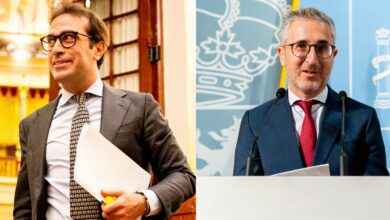
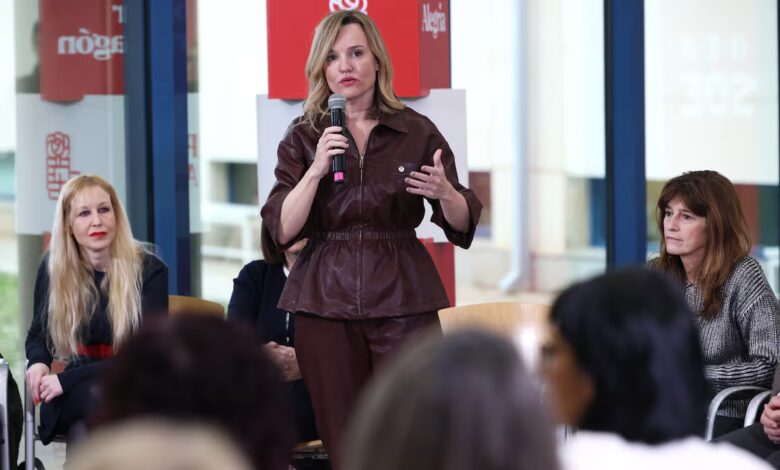
The appearance of Pilar Alegría at a meeting with sector representatives sparked a strong reaction. The PSOE candidate, vying for regional leadership, became the focus of discussion after listening to the emotional accounts of workers. Many spoke of the impossibility of balancing work and personal life, the lack of time to properly care for those they support, and noted that young professionals are steering clear of the field due to strenuous conditions.
Workers’ voices
Particularly striking were the words of an employee from a rural residence for the elderly. She admitted she never knew when she would get to go home and, after her shift, was required to update neighbors about their relatives’ condition. Meanwhile, no psychological support was provided for the staff at all. Other participants complained about having to make up hours spent visiting the doctor, calling it humiliating regardless of who was in power.
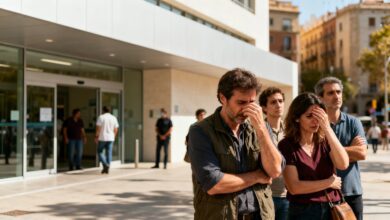
The room was filled with an atmosphere of fatigue and disappointment. One of the workers openly stated that young people see no reason to enter this sector, as salaries barely exceed the minimum wage while the workload remains excessive. According to her, “it’s no surprise that no one wants to work under such conditions.”
Candidate’s Response
Pilar Alegría, after hearing all the complaints, acknowledged the existence of serious problems and apologized for the situation. She emphasized that the region’s economic success should not come at the expense of social sector workers. In her view, without decent working conditions, it is impossible to speak of strong and effective public services.
The candidate promised to initiate negotiations for a new regional agreement that would raise salaries and improve working conditions. She noted that currently, many employees receive only 20–30 euros more than the minimum wage, and sometimes not even that. Alegría also stressed the need to foster a culture of care not only for those under supervision, but also for the staff themselves, to prevent serious health consequences.
Hidden Risks
A woman who has worked in the sector for 18 years and is currently on sick leave attended the meeting. She admitted she is not sure if she will be able to return to work. Her story clearly illustrated the consequences of neglecting personnel issues. Alegría pledged that her political priority is to address the daily challenges facing Aragon’s residents, including speeding up the approval process for elderly care support applications to within 30 days.
Before the meeting began, Alegría expressed satisfaction with the regional television debates, where she said the importance of investment in public services was made clear to viewers. However, discussion quickly shifted to funding issues, where PSOE and PP held sharply opposing views. While Alegría insisted on increasing regional revenues to support healthcare and housing, her opponents accused the government of unfairness and political maneuvering.
Future of the sector
The situation in Aragon’s social sector has become a litmus test for the entire public services system. Workers are demanding not only higher wages, but also respect for their work and real changes in how the sector is organized. Whether the new agreement will change the situation remains an open question. One thing is clear: the demands of the sector can no longer be ignored, and regional authorities are being forced to seek solutions to avoid further escalation of the conflict.