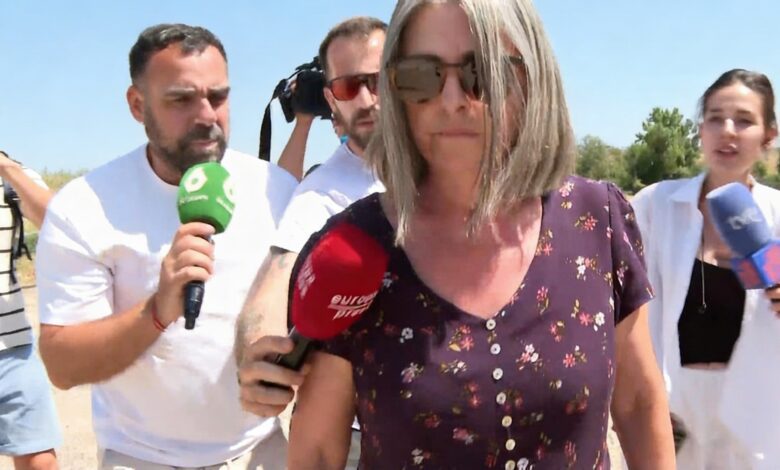
The situation surrounding the Delorme case investigation in Spain is taking new turns: the wife of Santos Serdán, known as ‘La Paqui’, failed to appear for the second time before the Senate commission. This development is significant for Spaniards as it raises issues of transparency within state institutions and questions about the impact of personal circumstances on the progress of parliamentary investigations. Francisca Muñoz’s decision not to attend the hearing may influence the commission’s next steps and spark further public debate.
According to the defense, Francisca Muñoz submitted a medical certificate to the Senate confirming a deterioration in her health. The document was sent just a few hours before the scheduled questioning. Doctors from the public health service reported a worsening of a chronic illness, as well as her visit to the emergency department on the eve of the hearing. They concluded that her current condition does not allow her to participate in the hearings. This is the second time Muñoz has cited medical reasons for not appearing: a similar situation led to a postponement last December.
Medical circumstances
According to new information provided by the defense, Francisca Muñoz was forced to seek emergency care on April 4. Doctors confirmed that her condition prevents her from attending the commission meeting. An official letter sent to the Senate stresses that her deteriorating health is linked to a previously diagnosed condition. The commission must now decide whether to set a new hearing date or choose another measure within the ongoing investigation.
Questions for the wife of the former PSOE organizing secretary concern her employment at Servinabar, a company owned by her husband. According to RUSSPAIN, in 2018 Antxón Alonso hired Muñoz for four months with a monthly salary of €1,900. Additionally, the company covered the family’s apartment rent in Madrid, furnished the property, and paid for various family expenses. These circumstances drew the attention of senators, especially members of the Partido Popular, who insist on recalling Muñoz to give explanations.
Financial issues
Attention to the figure of ‘La Paqui’ intensified after correspondence between Antxón Alonso and his wife Karmele Atuxtxa was published. The messages discussed significant spending by Muñoz and her frequent visits to El Corte Inglés using the Servinabar corporate card. UCO documents detail these conversations, expressing dissatisfaction with the family’s expenses and lifestyle. These findings prompted new questions for Muñoz, which the commission has so far been unable to ask due to her repeated absences.
The Senate committee now faces a choice: either reschedule the hearing or take other measures within the investigation. Representatives of Partido Popular emphasize the need for explanations regarding employment and financial operations linked to Servinabar. Questions remain unanswered, and public attention to the case persists.
Context and consequences
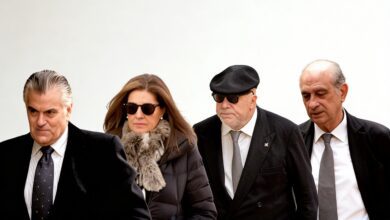
Scandals involving politicians’ family members participating in business and public contract distribution have become common in Spain in recent years. Such cases have already prompted parliamentary inquiries and court proceedings. For example, Madrid recently saw the start of the high-profile Kitchen case, where former senior Interior Ministry officials are under scrutiny due to allegations of corruption and abuse of office. Read more about the development of this case in the material on the trial against the leadership of the Spanish Interior Ministry.
In recent years, Spain has tightened requirements for transparency in government agencies and oversight of conflicts of interest. Parliamentary committees increasingly face situations where the personal circumstances of those under investigation affect the progress of hearings. Such cases spark public reaction and highlight the importance of independent oversight of officials and their inner circles.
Recalling other similar incidents, it is worth noting that in 2025, several high-profile investigations were also suspended due to the health conditions of key witnesses. This led to discussions about the need to reform parliamentary summons and interrogation procedures. Such situations highlight the complexity of balancing individual rights and public interest when investigating corruption and abuse of power.