The Spanish government has announced a large-scale release of archival materials related to the events of February 23, 1981. This decision could change how one of the country’s most controversial episodes in recent history is perceived. Authorities hope that disclosing these documents will help put an end to the rumors and speculation that have surrounded the attempted military coup for decades.
Expectations and concerns
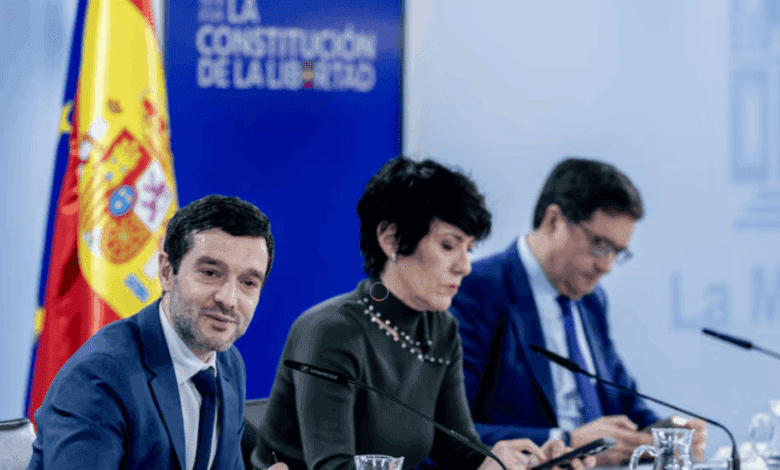
In the coming days, 153 documents collected from the Ministries of Interior, Defense, and Foreign Affairs will be published on the government’s official website. While there are no audio recordings among them, there are transcripts of conversations and possibly some photographs. According to government spokesperson Elma Sáiz, this publication will move Spain toward greater transparency. However, officials have not clarified whether these materials might affect the reputation of former King Juan Carlos I.
The question of the monarch’s role in the events of 23-F remains one of the most sensitive issues. The coup’s leader, General Alfonso Armada, was a close confidant of the King, fueling interest in the details of their communication during the critical hours of the coup attempt. Nevertheless, government representatives avoid giving direct answers, stating that even the Prime Minister is unaware of the documents’ contents—they are being reviewed exclusively by specialized experts.
Countering disinformation
Authorities emphasize that publishing the archives is primarily aimed at combating fake news and distortions that are actively spreading on social media and among young people. According to Sais, making these documents public should prevent radical groups from using myths about the coup for political manipulation. The government believes that Spain has lived for too long in a state of ‘democratic anomaly,’ with essential historical materials kept classified, unlike in other European countries.
The issue of reforming the state secrets law has returned to the spotlight. The current regulation, adopted back in 1968, is long outdated and fails to meet today’s standards of transparency. Authorities hope that, after releasing the archives, they can achieve consensus in parliament and pass a new law that will allow important documents to be automatically declassified without lengthy approval processes.
Political disagreements
However, the path to reform will not be easy. Nationalist parties such as the Basque Nationalist Party (PNV) are demanding more radical changes than the government proposes. The opposition, represented by the Partido Popular (PP), refuses to support the initiative, which complicates the search for compromise. As a result, discussions on the state secrets law have remained deadlocked for several years.
Interest in the publication of the archives is fueled not only by the historical significance of the 23-F events but also by expectations of possible new details regarding the actions of the military and top officials during those days. As noted by El Pais, particular attention is focused on what happened in the royal palace that evening, when many military officers called the residence to learn the position of the head of state.
Historical context
The decision to publish the documents became the main topic at the latest Council of Ministers meeting. According to Sais, Spain is now catching up with countries like Germany and the United States, which opened their archives on similar events long ago. Authorities emphasize that this is the first such measure in the entire history of modern Spain, and they promise to continue working to declassify other important materials.
The issue of transparency and access to information is becoming increasingly relevant amid political disputes and public mistrust. In a recent publication criticizing the government’s actions after natural disasters, it was noted that openness and a willingness to engage in dialogue with society are becoming key demands of the times. More on this can be found in the article about Andalusia’s response to government inaction after the storms.
In recent years, Spain has witnessed several declassifications of archives that sparked wide public debate. For example, the release of materials on the Civil War and the Franco dictatorship led to renewed discussions about national memory and responsibility. In other European countries, similar actions often prompted a reevaluation of historical events and a review of official narratives. The publication of documents on 23-F is expected to attract similar interest and could potentially ignite new debates about the role of key figures in the country’s history.