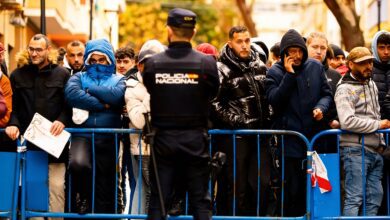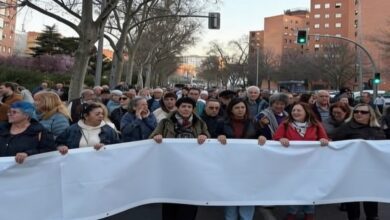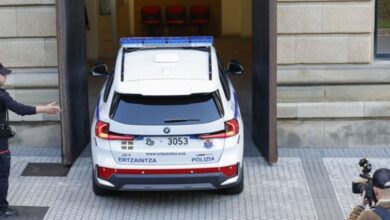
The security situation in Segovia has reached a critical point: the city is left almost without police at major public events. The reason is a prolonged conflict between the municipal police and the city council, which directly affects the lives of 53,000 residents. The consequences have already been felt by participants and organizers of large gatherings, where police presence has been minimal or absent altogether.
At the center of the standoff are police demands to improve working conditions and revise shift schedules. City authorities are not willing to compromise, which has led to the initiation of disciplinary proceedings against officers who have refused to follow orders until an agreement is reached. As a result, during events such as the traditional ‘Tardebuena’ on Christmas Eve, the parade of the Three Wise Men, and mass races, there were almost no police patrols on the streets.
Demands and countermeasures
The municipal police union of Castilla y León (SPPMCyL) insists the situation has been ongoing for a year, with disagreements starting after an attempt to introduce single-person patrols. According to union representative Salvador Berbel, this approach not only undermines the quality of work but also endangers the safety of the officers themselves. For instance, on New Year’s Eve, just four or five people, including the duty officer at headquarters, were on duty for the entire city. This turned out to be insufficient in case of street disturbances.
City authorities have abandoned solo patrols, but other issues remain unresolved. Police officers are demanding salary parity with colleagues from other cities in the region, as well as the reinstatement of the previous overtime compensation system. Previously, under different political leadership, extra hours were paid as ‘extraordinary services,’ but now these payments have been cut. Despite promises, the situation remains unchanged, and staff continue to refuse voluntary overtime, which is especially impacting security during mass events.
Internal disagreements
The union also points out that other agreements have not been fulfilled: promised improvements to working conditions have not materialized, police facilities remain in poor condition, and annual shift schedules have yet to be drafted. In response to the refusal to take on extra shifts, city hall issued urgent orders, but many staff members were not notified in time, leading to new disciplinary investigations. Anxiety is growing within the ranks: officers fear for their jobs and income, and some are already prepared to defend their rights in court.
The city council, represented by the security chief César Martín, has taken a tough stance: they refuse to make concessions under pressure. Authorities acknowledge that the issue of wage parity is under consideration, but stress that the situation has reached an impasse, affecting the entire city. Disciplinary actions may have serious consequences for employees, but officials believe the only way forward is to keep the dialogue open.
Impact on the city
As long as the sides remain deadlocked, all residents feel the effects. For the upcoming event—Guardian Angels Day—the traditional award ceremony in the main square is at risk: not a single police officer volunteered to participate. Organizers of mass races now have to put up and take down road signs themselves, a task previously handled by the police.
The opposition within the city council is also voicing dissatisfaction. Former mayor Clara Martín is demanding that the police committee, which has not met in nearly a year, be urgently convened. She points out that only the threat of legal action forces officials to respond, and the conflict has become chronic.
Background and similar cases
In recent years, similar labor disputes between municipal police officers and city authorities have occurred in other Spanish cities as well. In Valladolid and Burgos, officers also refused to work overtime, which led to a shortage of patrols at large public events. In some cases, this resulted in the cancellation of traditional festivals or the postponement of sporting events. In Madrid, for example, after lengthy negotiations, a compromise was reached on overtime pay, which helped stabilize the situation. However, in smaller towns with limited police staff, such disputes can quickly cause significant disruptions in maintaining order and security.