The scandal over the allocation of state-subsidized housing in a prestigious Alicante neighborhood has become one of the most talked-about topics of spring 2026. For Spaniards, this event is significant not only because of the high-profile names involved, but also because it could impact the transparency of future affordable housing programs. Court decisions and actions by the municipal commission have the potential to set new standards for the entire country.
According to El Pais, the judge in charge of investigating the allocation of VPP (state-subsidized housing) in the upscale Les Naus development on San Juan beach has summoned three senior officials from the Alicante regional housing service for questioning. At the same time, the court has requested the department led by Susana Camarero to provide detailed information on the origins of key documents in the case to determine who prepared them and what positions those employees held.
Key figures in the case
Those summoned to court include the Alicante regional director, the head of the relevant service, and the deputy secretary. Their questioning is scheduled for April 15 and was initiated at the request of the anti-corruption prosecutor’s office. The investigation was prompted by several complaints from various political and public organizations, including Sumar, the Socialists, the municipality, and the housing service itself. All materials were combined into a single case after the Manos Limpias union filed a request.
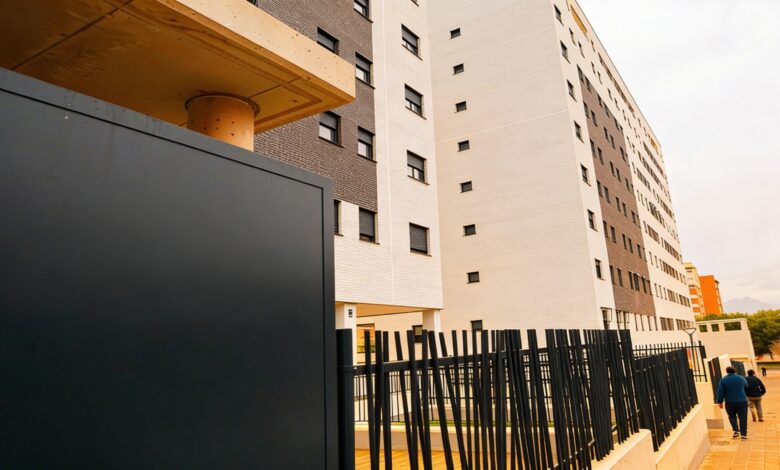
The spotlight is on 140 apartments — the first major public housing initiative in Alicante in 20 years. The buildings stand on city-provided land in the La Condomina neighborhood, where real estate prices are typically high. The apartments, with three or four bedrooms, parking, and storage rooms, were sold for about 200,000 euros — roughly half the market value for this area. The Les Naus complex also features a swimming pool, sports courts, a community center, and a gym.
Favoritism and conflicts of interest
It emerged that several apartments were granted directly by the developer to high-ranking officials from the municipality and the housing authority, all linked to Partido Popular. After these facts came to light, Alicante mayor Luis Barcala called the situation a “scandal.” The list of those involved includes former urban planning chief Rocío Gómez, who received an apartment together with relatives and resigned after the story broke. Also named is the director of internal organization María Pérez-Hickman, whose children and nephew were among the recipients. Architect Francisco Nieto, another Les Naus cooperative member, is under investigation as well. Outside the city government, prosecutors are looking into Francisco Ordiñana, the developer and manager of Fraorgi, who also received an apartment. The fifth figure is housing authority employee Roberto Palencia, who approved contracts — including one for an apartment for his wife, omitting disclosure of his own income to stay below the 54,000-euro family eligibility threshold.
On the same day the judge issued subpoenas, a special commission began work at the municipality, formed at the initiative of all political parties—PP, PSOE, Compromís, Esquerra Unida, and Vox. The commission will review procedures and safeguards to ensure impartiality in the allocation of housing on municipal plots, both for completed projects and those planned under the Plan Vive program.
Political consequences
Debates over the commission’s composition were marked by disputes about delays in its creation and calls by local authorities to speed up the investigation. Among those suggested for questioning are Rocío Gómez, Mayor Luis Barcala, municipal property chief Nayma Beldjilali, head of the housing department Susana Camarero, and former president of the Valencian Community Carlos Mazón. Deputy Mayor Manuel Villar has already warned of possible limits to the commission’s work due to the ongoing court case.
According to El Pais, the investigation could lead to a revision of VPP allocation rules not only in Alicante but also in other cities. Questions about transparency and equal access to social housing are growing more urgent amid rising prices and a shortage of affordable apartments. Similar disputes in other regions of Spain have previously sparked controversy over conflicts of interest and favoritism in housing allocation, leading to resignations and procedural reviews.
In light of recent events, it is important to note that issues of social justice and oversight of the allocation of state resources remain at the forefront of public attention. Other topics relating to the financial opportunities of Spaniards have also been under discussion recently, including new tax deductions that make it possible to recover substantial amounts. This highlights how crucial transparency and trust in state institutions are for the country’s residents.
In recent years, Spain has seen several high-profile investigations related to housing allocation and conflicts of interest among officials. In Valencia and Madrid, such cases have led to large-scale audits and tighter control over VPP programs. As a result, new income verification and transparency mechanisms have been introduced, along with increased public oversight of apartment distribution. These measures aim to prevent similar scandals and strengthen trust in government housing initiatives.