Air links with Venezuela under threat
At the start of the week, seven international airlines announced they were temporarily suspending flights to Venezuela. The decision came amid growing concerns over the airspace above the Caribbean Sea, where increased military activity has been reported. Major carriers such as Iberia, Latam, Avianca, TAP, Gol, Caribbean Airlines, and Turkish Airlines are among those canceling flights. All of them cited the inability to guarantee the safety of passengers and crew due to new risks.
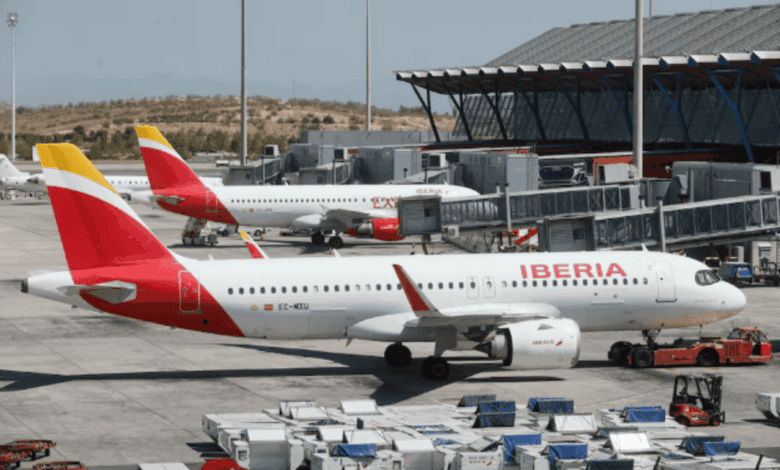
Particular attention has been drawn to the response from Madrid’s Barajas Airport, which cancelled all flights to Caracas scheduled for Monday. Spanish authorities and aviation industry representatives are closely monitoring the situation, as it directly affects the interests of hundreds of passengers and airline employees.
Reasons behind flight cancellations and military tensions
The decision to cancel flights was made after American aviation authorities warned of potential threats to civilian aircraft in the region. In recent days, there has been a heightened presence of warships and military planes in the Caribbean Sea and off the Venezuelan coast. This is linked to an operation launched by the US authorities to pressure the government of Nicolás Maduro. As part of the campaign, additional forces were deployed to the region, and the airspace has come under close surveillance.
As a result, airlines operating flights between Europe and South America have been forced to reconsider their routes. Some carriers, such as Air Europa, have yet to make a final decision, but are closely monitoring the situation and are prepared to respond swiftly to any changes.
Impact on Passengers and Spain’s Aviation Market
Flight cancellations have affected not only Venezuelan residents, but also Spanish citizens as well as numerous tourists and business travelers planning trips to South America. The disruption was felt most acutely by those relying on regular Iberia flights—this Spanish carrier was forced to cancel five weekly flights to Caracas. Passengers had to change their plans, search for alternative routes, or even cancel their trips altogether.
For Spain’s aviation market, such events mean not only financial losses, but also increased tension among airline and airport staff. In this climate of uncertainty, carriers must operate with maximum caution to avoid putting people and equipment at risk.
Military Operations and Their Impact on the Region
Military activity in the Caribbean is not limited to airspace. In recent months, US forces have launched major operations in waters near Venezuela, citing the fight against drug trafficking. Several civilian vessels have been attacked and destroyed during these actions, resulting in dozens of deaths. According to estimates, the number of victims has already exceeded 80.
These operations have affected not only the Caribbean Sea but also the Pacific Ocean. Warships are patrolling vast areas, with their routes being tracked and analyzed by experts. As a result, the region has become the focus of international attention, and the situation remains extremely tense.
Prospects for Restoring Air Travel
It remains unclear when airlines will be able to resume flights to Venezuela. Everything depends on how the situation unfolds in the region and on reducing the level of military threat. Carriers continue to monitor developments and promise to keep passengers updated on any changes. For many Spaniards and residents of other European countries, this means uncertainty and the need to look for alternative ways to reach South America.
In the coming days, the aviation community and passengers will be closely watching decisions from airlines and authorities. Spain, as one of the key transport hubs between Europe and Latin America, is especially interested in a swift stabilization and the restoration of regular flights.