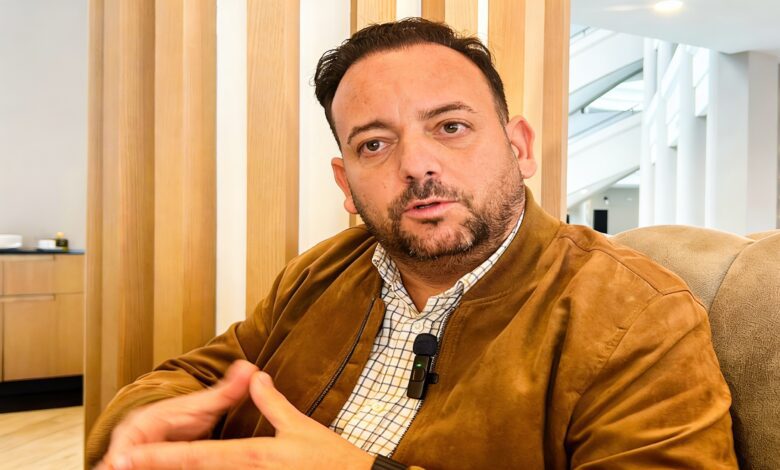
The court ruling in the case of the former mayor of La Algaba (Seville) has become a significant event for the residents of Andalusia. Issues of transparency in investigations and the impact of political conflicts on judicial processes have once again come to the forefront. For a municipality with a population of fewer than 17,000, such events can have long-term consequences for public trust in authorities.
As reported by El Pais, a judge from Seville’s sixteenth investigative court ordered the case against Diego Manuel Agüera, the former head of La Algaba, to be closed. The case was dropped due to a lack of evidence of criminal wrongdoing. This decision came after several months of discussion and an internal investigation within PSOE, where Agüera also held positions until his resignation.
Reasons for closing the case
The investigation began after a complaint from the parents of a minor and the director of the local bullfighting school. The case materials included Instagram messages sent by Agüera to a teenager who was 14 at the time. One message in particular discussed the phrase: “Ayyy si tuvieras los 18!!!”. These messages prompted a report to law enforcement and an internal party investigation.
After news of the complaint emerged, Agüera resigned as mayor and temporarily stepped down from all party positions. In his resignation letter, he declared his innocence and accused the director of the bullfighting school, who also works for the municipality, of misrepresenting their communication. According to Agüera, the accusations were motivated by personal animosity.
Prosecutor’s and Party Response
The prosecutor’s office conducted its own investigation but also found no evidence of a crime. Within PSOE, an internal channel was set up to address such complaints, but they too found no grounds for further action. Agüera’s lawyer had anticipated that the case would be closed, attributing its emergence to longstanding disputes surrounding the former mayor.
The court’s decision sparked debate among local politicians and residents. For La Algaba, where Agüera had consistently won elections with an absolute majority since 2011, the situation put the reputation of municipal structures to the test. Questions about how such cases impact public opinion and political stability remain relevant.
Regional Implications
The closure of the case against the former mayor of La Algaba highlights the complexity of relationships between personal conflicts, politics, and the judicial system in small Spanish towns. The court’s decision could set a precedent for similar cases where accusations lack sufficient evidence. At the same time, such situations often lead to internal divisions within parties and growing mistrust among residents.
According to El Pais, the Agüera case has become one of the most discussed topics in the region in recent months. The surge in interest shows that issues of ethics and official responsibility remain central to public debate. For political parties, such incidents prompt a review of internal procedures for handling complaints and a strengthening of oversight mechanisms.
Context and similar cases
In recent years, Spain has seen several high-profile cases involving allegations of misconduct by public officials. For example, in 2024, proceedings against a municipal deputy in Malaga were closed after a similar investigation found no evidence of a crime. In Valencia in 2025, a case also ended against an official accused of breaching ethical standards, as the court found no proof of guilt. These examples demonstrate that Spain’s judicial system continues to emphasize thorough fact-checking, while public attention to such cases remains strong.