Events in the Middle East have immediately impacted the lives of Spaniards: fuel and food prices have begun to rise, and logistics chains are under threat. Following military actions in the Persian Gulf region—through which a significant share of the world’s oil and gas supplies passes—the Spanish economy faces new risks. Any disruption in this area quickly affects transportation costs, energy, and ultimately the wallets of citizens across the country.
Fuel and Energy
Right after the escalation of the conflict, global oil prices surged by more than 10%. The price of Brent crude, Europe’s main benchmark, surpassed $80 per barrel, with forecasts suggesting it could climb further. For Spain, this means higher prices for gasoline and diesel: suppliers have already warned of substantial markups for upcoming deliveries. According to RUSSPAIN.COM, diesel could increase by 12 cents per liter, while gasoline may rise by 6 cents. The European gas market also came under pressure, particularly following attacks on energy infrastructure in the region. Although Spain has diversified its gas sources, the global nature of the market is driving up electricity and heating costs.
Financial Markets and Inflation
Rising fuel prices affect the cost of transportation and production, impacting all goods. If price increases persist, inflation in Spain could exceed target levels. The Ibex 35 index is already showing a decline, with the banking sector and airlines suffering the greatest losses. Airlines are affected not only by expensive fuel but also by forced flight cancellations and route changes. This leads to additional expenses and may drive up ticket prices.
Logistics and supply chains
Global shipping companies such as Maersk and MSC have suspended or altered routes in the conflict zone. Avoiding the Strait of Hormuz (Estrecho de Ormuz) adds thousands of kilometers to each journey, increasing costs and causing delays. Insurance companies have already imposed surcharges for war risks, which is reflected in the price of goods—from electronics to clothing. Airlines, including Iberia Express and Air Europa, have canceled flights to Israel and other countries in the region, while Lufthansa has suspended flights to the Middle East. All this adds to transportation costs and could lead to higher ticket prices.
Impact on food products
Supply chain issues affect more than just the energy sector. A third of the world’s fertilizers and a significant portion of raw materials for packaging production pass through Hormuz. Spanish agriculture depends on these components, and their rising costs could drive up prices for vegetables, fruits, and other produce. If the situation drags on, even staple goods in stores may become more expensive due to inflation.
Political decisions
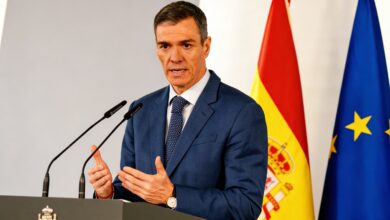
Amid the crisis, the Spanish government announced that it will not allow the Rota and Morón military bases to be used for operations against Iran. Prime Minister Pedro Sánchez called for de-escalation and a diplomatic resolution. Defense Minister Margarita Robles emphasized that any actions must comply with international law, while Foreign Minister José Manuel Albares reiterated Spain’s sovereignty over decisions regarding the use of its military facilities.
In recent years, the Spanish economy has already faced consequences from external conflicts. After the events in Ukraine in 2022, the country accelerated its efforts to diversify gas and oil suppliers to reduce dependence on a single region. That period also saw a surge in energy and food prices, driving up inflation and changing consumer habits. Such crises underscore how closely global markets are interconnected and how quickly external events impact daily life in Spain.