A morning signaling system failure at Madrid’s railway hub caused major delays for both regional and long-distance trains. For residents of the capital and surrounding areas, this resulted not only in lost time, but also disrupted important business and academic appointments. According to El Pais, the incident occurred around eight in the morning and quickly impacted the entire urban transport system.
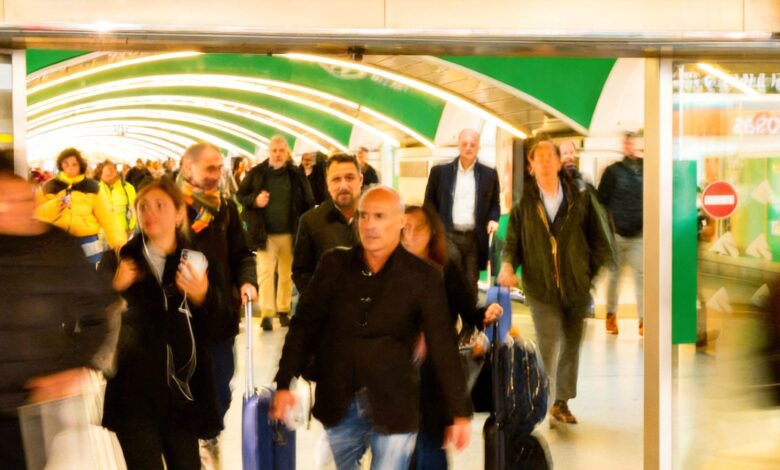
Passengers arriving at Puerta de Atocha-Almudena Grandes station faced overcrowded halls and corridors. Many rushed to make up for lost time, but had to cope with delays that persisted even after the technical issue was resolved. Security staff restricted access to the platforms, allowing only ticket holders through to prevent further chaos.
Impact on passengers
Both business travelers and students were affected. For example, Gema Luque missed an important conference due to a delay on her train from Córdoba. Her train was stuck on the tracks for over an hour, completely disrupting her morning plans. Student Elena Cañamero, who traveled from Toledo, also pointed out that such disruptions have become a regular problem for her—she often arrives late to classes because of the unstable train schedule.
Passengers on Avant trains, which run on the same high-speed lines, have also faced significant delays. Waiting for the next Cercanías train after a delay takes at least twenty minutes, further complicating logistics for students and workers whose schools and workplaces are far from the city center.
Response and consequences
Many passengers have voiced frustration not only with the delays themselves but also with changes in Renfe’s compensation policy. According to them, refunds used to be available if a train was thirty minutes late, but now compensation is only paid for delays exceeding an hour. This adds to the annoyance of regular rail commuters.
Teachers like Daniel García point out that such incidents have become part of their daily lives. He said that over the past two or three years, delays happen almost every week, and the constant need to notify management about being late has turned into a tiresome routine.
Political response
The situation with widespread delays has not gone unnoticed by politicians. Elías Bendodo, Deputy Secretary for Regional and Municipal Policy, sharply criticized the rail system’s performance during a session in the Congress of Deputies. He stated that service quality has declined and put the blame on the current government.
According to russpain.com, such disruptions in the railway infrastructure can have long-term consequences for passenger trust and the reputation of transport companies. When thousands of people depend on a reliable timetable every day, even brief interruptions result in significant social and economic costs.
Context and similar incidents
Railway disruptions in Spain are not a new occurrence. In recent years, major delays caused by technical failures or weather conditions have already been reported in Madrid and other large cities. For example, in 2025, a similar accident on the Cercanías line led to the cancellation of dozens of trains and triggered a wave of criticism towards transport operators. In Barcelona in 2024, a failure in the traffic management system also caused kilometers-long queues and widespread complaints from passengers. These incidents highlight the vulnerability of the transport infrastructure and the need for investment in its modernization.