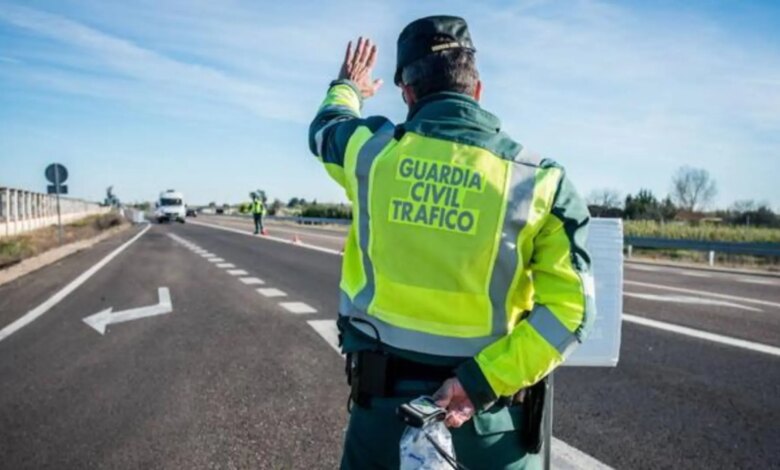
Severe consequences await those who choose to drive after consuming alcohol. In Galicia, in the municipality of Cariño, a motorcyclist tried to evade responsibility when traffic police stopped him for a check. The man, visibly intoxicated, not only refused to take a breathalyzer test but also attempted to flee, shouting threats at the officers. The outcome — six months in prison and a driving ban.
This incident is a clear example of how reckless behavior on the road can lead to real jail time. The court did not show leniency, despite the defense’s attempts to challenge the charges. The driver, who already had a criminal record, received not only a prison sentence but also additional restrictions related to road safety.
Escape and aggression
On the evening of September 30, 2023, traffic police were conducting a routine check on one of Cariño’s roads. The motorcyclist, spotting the patrol, showed clear signs of intoxication: the smell of alcohol, erratic behavior, and aggressive remarks. When asked to take a test, he sharply refused, hurling insults and threats at the police. Taking advantage of the moment, the man tried to escape on his Gilera motorcycle but was quickly apprehended.
An attempt to escape and aggressive behavior only worsened his situation. After his arrest, it was revealed that the offender had similar incidents in the past. The court proceedings lasted more than two years, but ultimately the verdict was severe: six months in prison, a one-year driving ban, and additional community service.
Court ruling
Lawyers tried to secure an acquittal, citing errors in the assessment of evidence and incorrect application of the law. However, the judges rejected these arguments. It was established that refusal to take an alcohol test and an attempt to flee constitute a serious offense that endangers the safety of other road users.
In addition to the main sentence, the court assigned 65 days of community service and extended the driving ban to three years. This decision highlights that the Spanish judicial system is not inclined to show leniency to those who deliberately ignore the rules and endanger others.
Fines and penalties
In Spain, penalties for drunk driving are strictly regulated. For ordinary drivers, the permissible blood alcohol level is 0.5 g/l, and 0.25 mg/l in exhaled air. For beginners and professionals, the thresholds are even lower. Exceeding these limits threatens not only heavy fines but also the loss of driver’s license points.
If the breath alcohol level exceeds 0.25 mg/l, the fine is 500 euros and four penalty points. For readings above 0.50 mg/l, the amount rises to 1,000 euros and the driver loses six points. When the test shows more than 0.60 mg/l, the case becomes a criminal matter: possible arrest, community service, and a lengthy driving ban.
Refusing to take the test is punished especially harshly. Such an action is automatically classified as a crime against road safety and can result in a real prison sentence, as happened in the case of the motorcyclist from Galicia.
Road safety
Driving under the influence remains one of the leading causes of accidents in the country. Despite ongoing awareness campaigns and stricter controls, many continue to ignore the risks. Each time a driver tries to evade responsibility, it sparks renewed debate about the need for even tougher measures.
Recent case law shows that Spanish courts are not inclined to pardon such offenses. Even if the offender tries to justify themselves or contest the charges, the chances of a reduced sentence are extremely low. This serves as a warning to anyone who believes they can avoid responsibility.
The Guardia Civil is one of Spain’s oldest and most respected institutions, responsible for road safety and maintaining order in rural areas. Its officers regularly conduct raids and inspections to reduce accidents and prevent tragedies. Over the years, the agency has earned a reputation as a strict yet fair authority that never compromises when it comes to protecting lives and health.