The situation surrounding the AP-66 toll road, which connects Asturias and León, has become one of the most talked-about issues in Spain. It’s not just about money but about fairness: thousands of drivers have become hostages to infrastructure problems and are demanding refunds for overpaid tolls. For many residents of the region, this road is the only route to work, family, or business, and any disruptions immediately affect daily life.
At the center of the conflict are the actions of Asturleonesa (Aucalsa), the company managing the toll road. According to the Asturias Consumers’ Union (Unión de Consumidores de Asturias, UCE), in recent months the company has illegally profited by 60 million euros. The reason is that they charged the full toll even when the road was partially or completely inaccessible due to accidents and repairs. In response, the UCE has filed an official complaint with the regional consumer protection authority, demanding immediate reimbursements for all affected drivers.
Widespread discontent
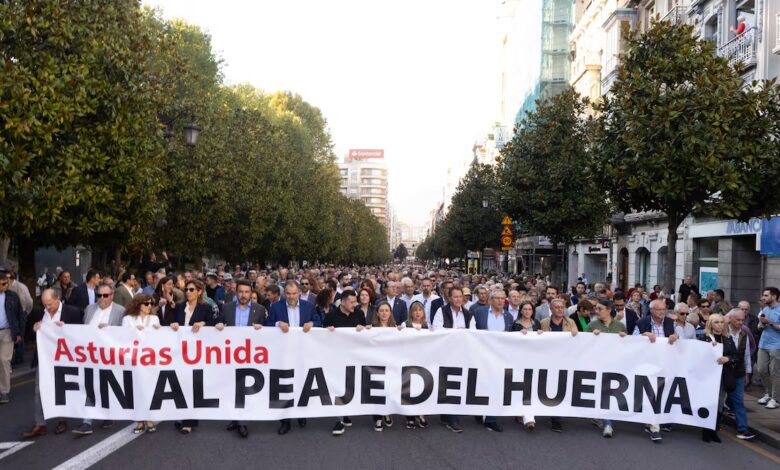
Nearly 4,000 people have already registered as affected, highlighting the scale of the outrage. People are frustrated at having to pay for a service they didn’t actually receive. According to UCE president Dacio Alonso, it is a systematic violation of the road’s operating conditions—a problem felt especially keenly given the lack of alternative routes between Asturias and the center of the country.
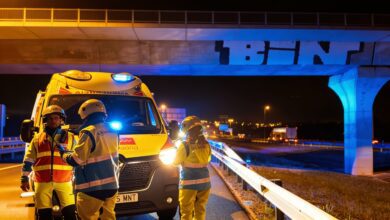
The UCE complaint has become the strongest reaction to the situation in recent years. The organization insists that the problem did not appear suddenly but has been ongoing since November 2024, when a landslide closed the highway completely for more than two weeks. Even after a partial reopening, traffic was managed via a temporary scheme that did not meet toll road standards. Since then, repair work and traffic restrictions have become a constant reality for thousands of motorists.
Payment without compensation
Since July last year, the situation has only gotten worse: repair works in the tunnels have led to new closures, traffic jams, and delays. Despite this, the toll remained unchanged at €16.20, making the AP-66 one of the most expensive roads in the country. During this period, according to UCE estimates, the company may have collected up to €29.6 million just during the repair period, with illegal profits estimated at €11.35 million.
Consumers are demanding not only refunds, but also the introduction of automatic compensation and a proportional reduction in toll fees during periods of restrictions. In addition, UCE is calling for the initiation of an administrative case, for the practice of charging the full amount to be recognized as illegal, and for a fine of up to €56.7 million to be imposed to prevent such situations in the future.
The scale of the problem
According to the road service, between 8,500 and 9,000 vehicles use the route daily. In seven months, the number of affected trips has reached nearly two million. For many drivers, this is not just an inconvenience but a significant financial blow, especially for those who have to use the road every day.
In the context of this scandal, it is worth recalling other high-profile cases involving financial violations and abuses in Spain. Recently, the country has been discussing a case involving large sums of cash, secret meetings, and suspicions of illegal support for political parties. Details of this investigation, which featured unexpected confessions and mysterious envelopes, can be found in the report on the cash scandal. Both cases illustrate how sharply the public responds to any manifestation of injustice or abuse.
Consequences and demands
The Consumer Union emphasizes that this is not a one-time error, but a prolonged and systemic problem. Drivers, transport companies, and families who use the AP-66 daily demand not only refunds but also guarantees that this will not happen again. If the UCE’s demands are met, the consequences could affect not only toll road operators but the entire transportation infrastructure regulation system in Spain.
In recent years, there has been a rise in cases across Spain where users of toll roads and other infrastructure facilities are actively seeking compensation due to poor service quality or violations of operational terms. Such instances have already led to major court cases and prompted a review of contracts with operators. In some regions, following public pressure, temporary discounts or even fee cancellations on certain sections have been introduced. These developments demonstrate that active engagement from citizens and organizations can influence decisions made by large companies and authorities, as well as change the rules of the game in the transport services market.