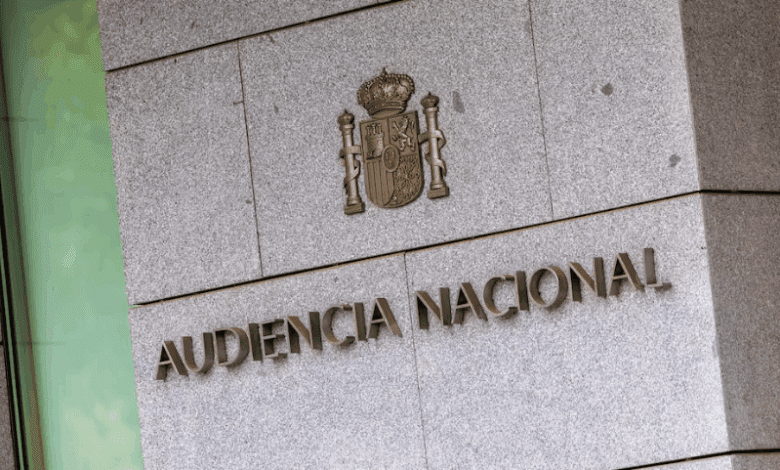
High-profile trial of former UN executive Vitaly Vanshelboim concludes in Spain. The National Court has approved his extradition to the United States, where he is suspected of receiving large bribes and illegally transferring tens of millions of dollars. US authorities allege that Vanshelboim, while holding senior posts at the international organization, helped British businessman David Kendrick obtain improper subsidies and loans totaling about $60 million.
The court’s decision follows a lengthy legal battle, during which the former official’s defense tried to challenge the legality of his extradition. His lawyers argued that diplomatic immunity should have protected Vanshelboim from prosecution. They also insisted that extraditing the defendant to the US would require approval from United Nations Secretary-General António Guterres, and claimed the American side had not made such a request.
Despite these arguments, the judges dismissed all objections. The ruling states that none of the arguments presented were substantiated. One of the twenty judges involved in the case issued a dissenting opinion, suggesting that Vanshelboim should only be extradited after official confirmation from the UN that his immunity does not apply. However, the majority of the panel did not support this view.
Arrest and charges
Vanshelboim was arrested in March in Alicante on an international warrant issued by US authorities. He has since been held in custody in Spain, awaiting a decision on his fate. In the United States, he faces charges of bribery, wire fraud, and money laundering. Prosecutors allege that the illegal activities took place from September 2015 to August 2023, when Vanshelboim headed UNOPS — the United Nations agency responsible for infrastructure projects and procurement for other UN bodies.
Over nearly thirty years working within the UN system, Vanshelboim held various leadership positions. According to US investigators, it was during this period that he committed the crimes related to the unlawful allocation of funds to Kendrick’s companies.
Defense Arguments
During the hearings, Vanshelboim’s lawyers tried to convince the court that the case was politically motivated. They referred to their client’s Ukrainian background and argued that his prosecution was linked to the geopolitical interests of the US and Ukraine. However, the judges found no basis for such claims. The ruling emphasizes that no evidence of political motivation or external pressure on the proceedings was presented.
The defense also argued that Vanshelboim has refugee status in Spain, which allegedly should prevent his extradition. However, this argument was also rejected: the court found no evidence confirming that the accused holds official asylum status.
Final decision
The court’s ruling is not subject to further appeal. However, technically, extradition can only take place after approval by the Spanish government. Thus, the executive branch has the final say.
The document specifically notes that none of the defense’s arguments were found convincing. The judges concluded that the process was not used as a tool of political revenge or pressure, and all actions complied with international law and Spanish legislation.