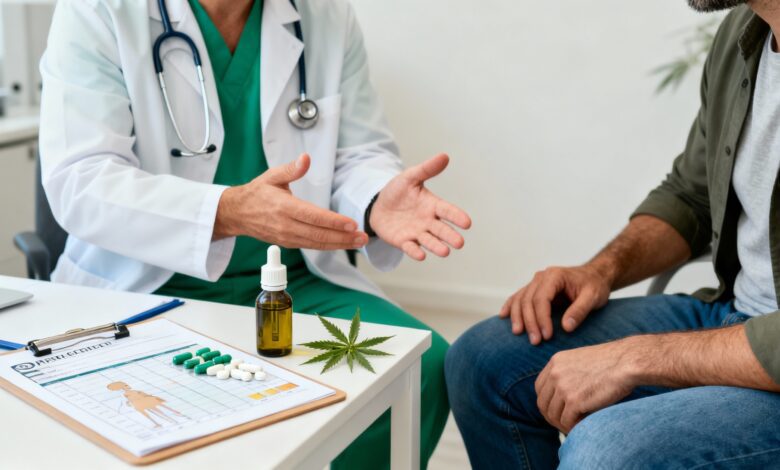
Spanish authorities have taken a major step in regulating the medical use of cannabis. The drug is now officially allowed for patients with specific diagnoses, but only under strict conditions. The new rules apply exclusively to oral administration and cover four specific conditions. This decision comes after extensive discussions, medical data analysis, and numerous requests from patients and doctors.
Under the new regulations, the maximum daily dosage for adults must not exceed 32 milligrams. Doctors are instructed to select the dosage individually, starting with the lowest possible amount and gradually increasing it if necessary. Experts believe this approach will help minimize side effects and improve therapy safety.
Who is eligible for treatment
Cannabis can now be used only for four conditions: spasticity in multiple sclerosis, chronic pain, severe forms of epilepsy, and pronounced nausea and vomiting caused by chemotherapy. In all other cases, the drug remains illegal. Importantly, cannabis is prescribed only when other medications have proven ineffective or have caused serious complications.
The document details not only indications, but also contraindications and possible side effects. Special attention is given to patients with kidney or liver dysfunction, as they require more frequent monitoring and dose adjustments. If the medication needs to be discontinued, this should be done gradually to avoid adverse consequences.
Pediatric Dosages
Even stricter restrictions apply to children. The daily dose of cannabidiol (CBD) must not exceed 25 milligrams, and tetrahydrocannabinol (THC) is limited to 10 milligrams, and only for the treatment of nausea and vomiting caused by chemotherapy. In other cases, the dosage is calculated based on body weight and should not exceed 0.6 milligrams per kilogram. This approach is due to children’s heightened sensitivity to cannabinoids.
Doctors are required to closely monitor the condition of young patients, regularly conduct examinations, and adjust the treatment plan if necessary. Any changes must be coordinated with the child’s parents or legal guardians. If side effects appear, therapy is immediately reviewed.
Storage Requirements
The new regulations also address the storage of medical cannabis. The product must be kept in a tightly sealed, dark glass container at a temperature not exceeding 25 degrees Celsius, away from light. These measures are necessary to maintain the stability of the compound and prevent product spoilage. Improper storage conditions may lead to reduced effectiveness or even the formation of dangerous impurities.
Pharmacies authorized to produce and dispense cannabis are required to strictly adhere to these regulations. Compliance is overseen by special commissions at medical institutions. Any violations will be treated as a serious administrative offense.
Special prescription conditions
Cannabis can only be prescribed by a specialist doctor who has received relevant training. Self-medication is strictly prohibited. Before starting therapy, patients undergo a full examination to rule out contraindications and assess potential risks. The doctor is required to inform the patient about all aspects of treatment, possible side effects, and the need for regular monitoring.
Spain’s healthcare system emphasizes that cannabis is not a universal remedy but rather a last resort when other treatments do not work. This approach helps prevent unjustified prescriptions and reduces the risk of abuse. The introduction of clear regulations is a step towards greater transparency and safety in medical practice.