Spain has officially adopted an updated protocol outlining how the country will respond to a rise in viral infections during the upcoming season. The document, agreed upon by the Ministry of Health and the autonomous communities, introduces a risk-level system and specifies targeted measures for each category. This year, the viral infection season began earlier than usual, and the number of flu cases has already surpassed the epidemic threshold—40.1 cases per 100,000 residents in the past week.
Authorities note that the new protocol was developed over several weeks and is the result of complex negotiations between the central government and the regions. Now, depending on the situation in each autonomous community, specific recommendations will apply—from mandatory mask-wearing to shifting to remote work. Everything will depend on the level of virus spread, severity of cases, and hospital capacity.
Scenarios and risk levels
The document outlines four main epidemic scenarios. The first is the baseline scenario, when the situation is stable. The second and third represent low and medium risk levels, marked by rising infection rates. The fourth is high risk, which may require emergency measures. Each level comes with its own set of recommendations, which can be introduced gradually and complement one another.
Key indicators for determining the level include the number of new cases, mortality, vaccination coverage, and hospital bed occupancy. However, regions decide for themselves which specific measures to implement and when to do so. The ministry emphasizes that it cannot impose mandatory restrictions since there is no legal basis for it. Therefore, the final decision rests with local authorities.
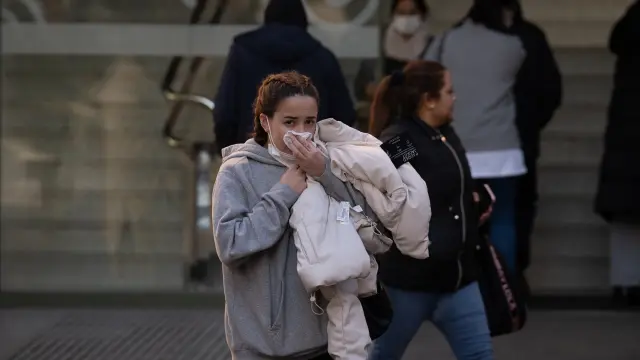
Masks and Prevention
Universal recommendations include vaccinating risk groups, strengthening epidemiological surveillance, training medical staff, and regularly reviewing response plans in clinics. It is also advised to ventilate rooms, practice hand hygiene, and wear masks if symptomatic, especially when interacting with vulnerable individuals. It’s important that this guidance is accessible and clear to all residents of the country.
In the basic scenario, staff at social institutions with signs of illness are advised to wear masks. At low and medium risk, masks are recommended in especially sensitive hospital departments, such as oncology or transplant units, as well as for employees of nursing homes with symptoms. If the situation worsens, additional measures may be introduced, up to and including visitor restrictions.
Emergency Measures
If the epidemic reaches a high level, masks become mandatory in waiting areas and hospital emergency rooms. Nursing homes may revise their visitation rules, and people in high-risk groups are advised to wear masks in poorly ventilated spaces. In the most severe scenario, authorities may agree on special measures to protect the most vulnerable and strengthen coordination between regions.
According to the Ministry of Health, all these steps should help prepare for seasonal outbreaks in advance and reduce their impact on the healthcare system and the population. Last year, official data showed that viruses claimed more than three thousand lives, including 1,800 due to the flu.
In case you didn’t know, the Comisión de Salud Pública is the body that unites representatives from Spain’s Ministry of Health and all autonomous communities. It develops common strategies on public health issues, including the fight against epidemics and vaccination. In recent years, the commission has become a key decision-maker for responses to public health threats, especially during seasonal outbreaks of viral diseases.