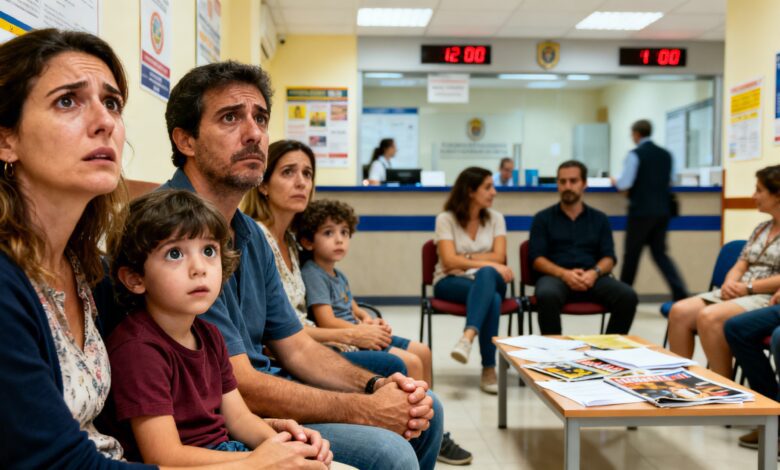
The introduction of a universal child benefit is being discussed as one of the most significant steps in social policy in recent years. The Spanish government is considering the possibility of paying a monthly allowance of 200 euros for each minor in a family. This initiative could become a key tool in the fight against child poverty and change the financial situation of thousands of households across the country.
The issue of supporting families with children has long been on the agenda. Economic challenges, rising prices, and labor market instability have increased the pressure on parents, especially in large and low-income families. If approved, the new measure would significantly reduce social vulnerability and improve the quality of life for children.
Initiative parameters
The planned benefit is designed for families with children under 18 years old. The payment amount is 200 euros per month for each child. The measure is expected to be universal, meaning it will apply to all families, regardless of income level. This approach differs from previous programs, where payments depended on social status or eligibility for certain benefits.
Authorities emphasize that the main goal is not only to support families, but also to create equal opportunities for all children. The introduction of a universal allowance is seen as part of a broader strategy for the development and protection of childhood in Spain. This measure is expected to help bridge gaps between different segments of the population and reduce the risk of social isolation for the most vulnerable groups.
Discussion and future outlook
The timeline for a final decision remains uncertain. The government notes that the project requires careful consideration, including an assessment of the financial impact on the budget. Details of how the payments will be provided are being discussed, as well as possible safeguards to prevent abuse.
Experts point out that a universal allowance could set a precedent for other European countries where similar measures have already proved effective. In Spain, such an initiative is being discussed at this high level for the first time, fueling lively debate among politicians, economists, and representatives of civic organizations.
Impact on society
The possible introduction of the allowance has sparked widespread response. Many parents hope that the new measure will help them cope more easily with daily expenses and provide their children with decent conditions for development. At the same time, some in society voice concerns about a possible increase in tax burden and the need to revise other social programs.
If approved, the universal benefit could become one of the largest social projects in recent years. Its implementation will require coordination among various agencies and a clear system for monitoring fund distribution. Authorities promise to ensure transparency in the process and to respond quickly to potential issues.
Context and analogies
In recent years, Europe has seen a trend towards expanding support for families with children. Some countries have already implemented universal benefits, which have proven effective in reducing poverty and boosting birth rates. For example, in Germany and France, such payments have become part of national policy and received positive assessments from experts.
Spain has previously attempted to introduce additional support measures, but these were limited in scope and did not cover all family categories. The new initiative could mark a turning point in the country’s social policy if implemented in full. Questions regarding timing and specifics remain unresolved, but the discussion has already drawn public attention and sparked lively debate.