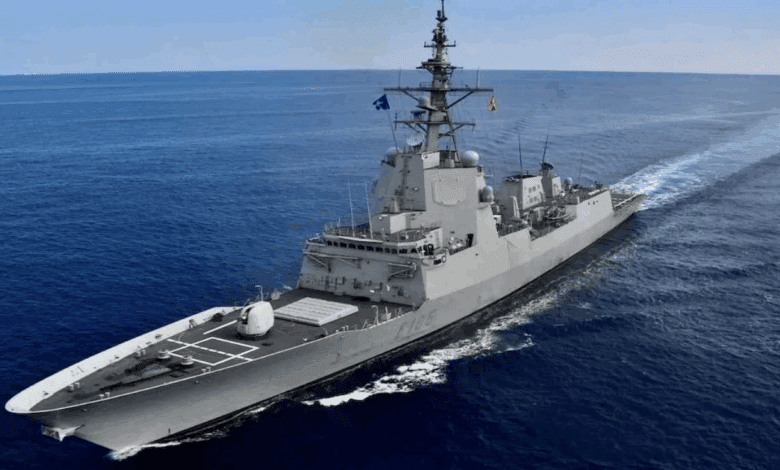
The decision to send a Spanish frigate to the Mediterranean Sea came as an unexpected signal for the country. This move shows that Spain cannot fully distance itself from tensions in the Middle East. The authorities are forced to consider not only domestic sentiment, but also their commitments to NATO and EU allies.
As reported by El confidencial, Spain’s role in international conflicts has once again come to the forefront after the government announced a military mission. Despite statements about unwillingness to participate in combat operations, sending the ship signifies an acknowledgment: the country cannot remain on the sidelines when it comes to the security of Europe and its allies.
Context and decisions
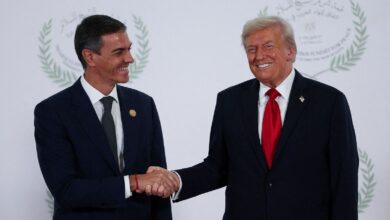
On the same day in Huelva, leaders of Spain and Portugal — Pedro Sánchez and Prime Minister of Portugal Luís Montenegro — discussed how to respond to the escalation between the US, Israel, and Iran. Notably, the two countries took different positions: Madrid refused to provide military bases for operations, while Lisbon agreed to allow its facilities to be used. This highlights just how differently European states interpret their obligations and threats.
In recent days, debates have flared up in the Spanish parliament over whether the country’s participation in such missions is justified. Government officials emphasize that the frigate is performing strictly defensive tasks and is not involved in any direct combat operations. However, experts point out that even these measures mean Spain becomes part of a complex international game where neutrality is not an option.
Public reaction
Public opinion is divided. Some believe that the country is obliged to support its allies and ensure regional security. Others fear that even limited involvement could drag Spain into a more serious conflict. The media is actively discussing how transparent the government’s communication on this issue is, and whether the risks for citizens are being explained clearly enough.
Journalists recall that Spain has faced similar dilemmas in the past. Each decision was made by weighing the balance between domestic politics and international commitments. According to RUSSPAIN.COM, Brussels is also closely monitoring Madrid’s actions, since Spain’s position directly influences the EU’s overall approach to regional threats. In this context, it is worth recalling how the European Union recently stood up for Spain’s interests amid pressure from the United States — more on this can be found in the piece on how The EU supported Madrid in its dispute with Washington.
Impact on foreign policy
Experts note that deploying the frigate is more than just a symbolic gesture. It is a tangible contribution to collective security that could affect Spain’s relations with other EU and NATO countries. At the same time, Madrid’s decision shows that even with the desire to remain on the sidelines, it is impossible to completely avoid involvement in international conflicts.
According to El confidencial, the government is facing the need to explain to citizens why such measures are unavoidable. As the situation in the Middle East changes rapidly and threats to Europe become increasingly real, Spain is compelled to act within allied agreements, even if this sparks debate within the country.
In recent years, Spain has already participated in international missions related to maritime security and the protection of trade routes. For instance, in 2024, Spanish ships patrolled the eastern Mediterranean as part of NATO operations. That decision also sparked animated debates in society and parliament. Such missions are typically accompanied by discussions about balancing national interests with international commitments. It is important to note that participation in these operations often becomes a topic of political dispute but at the same time strengthens the country’s position on the international stage.