The publication of the agreement text between the European Union and the United Kingdom regarding Gibraltar has become a pivotal event for the residents of Andalusia and the border regions. Questions about the future of the border, freedom of movement, and economic ties have gained special significance. The Spanish government, responding to these changes, is taking steps to inform and protect the interests of its citizens.
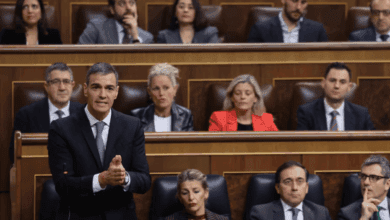
Foreign Minister José Manuel Albares requested to address the Congress at a session of the international affairs committee. His goal is to clarify the details of the agreement, which, according to the authorities, opens a new chapter in relations between Spain, the EU, and the United Kingdom after Brexit. As El Pais reports, Albares emphasized that Madrid’s position on sovereignty remains unchanged, and the agreement itself reflects these principles.
Impact on the region
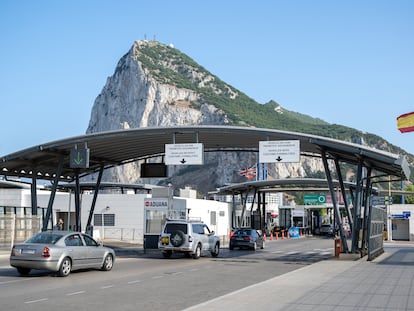
The agreement is especially important for more than 300,000 residents of Andalusia living in the Campo de Gibraltar area. According to the minister, the document guarantees free movement of people and goods, directly affecting 15,000 workers who cross the border daily. The expected removal of the physical barrier—known as La Verja—is seen as a symbol of a new era for the region.
Prior to signing the agreement, the text was sent to the leadership of the Andalusia autonomous community, the mayors of border cities, representatives of cross-border organizations, and parliamentary groups. In an accompanying letter, Albares recalled eight meetings with local and regional authorities, the most recent of which took place after political consensus was reached in June. According to the minister, the agreement will bring stability, create new opportunities, and address longstanding imbalances, including issues of taxation and the environment.
Political disputes
The United Kingdom met the publication of the agreement’s text with sharp criticism from the opposition. Conservatives who had previously taken part in the negotiations voiced doubts over the transparency of the process and possible concessions from London. Tory representatives claimed the Labour government had failed to uphold promises to protect sovereignty and also expressed concerns about new powers that Spain and the EU might gain over Gibraltar.
According to El Pais, the British opposition is demanding immediate parliamentary debate on the agreement. Conservatives suspect the government intends to review relations with the European Union and soften the impacts of Brexit, fueling discontent among hardliners. Meanwhile, in Spain, the document’s discussion is taking place without sharp conflicts, with attention focused mainly on the practical aspects of its implementation.
What will change
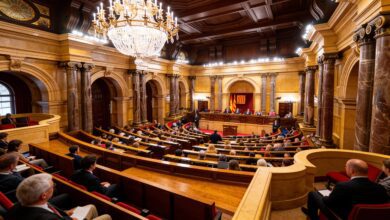
The agreement provides not only for free movement, but also measures to harmonize tax policy and protect the environment. Authorities claim the new rules will benefit both Spaniards and Gibraltar residents. However, for the document to take effect, it must be ratified by the European Council, the European Parliament, and the UK Parliament. The Spanish Congress will not hold a vote, as the agreement is between Brussels and London, but local authorities and public organizations are actively taking part in the discussion process.
In the coming months, the disappearance of the Verja and the new border crossing rules are expected to impact the daily lives of thousands of people. Economic ties between Andalusia and Gibraltar may strengthen, while issues of taxation and environmental policy may find new solutions. According to El Pais, Spanish authorities continue to inform the public about the details of the agreement and are preparing additional measures to support the region.
In recent years, questions surrounding the status of Gibraltar and its relationship with Spain and the EU have repeatedly sparked intense debate. After Brexit, negotiations between London and Brussels dragged on, leaving residents of border areas facing uncertainty. Similar situations have occurred in the past, especially regarding border crossing rules and workers’ rights. The new agreement promises to change this scenario, but its implementation will require time and effort from all parties involved.