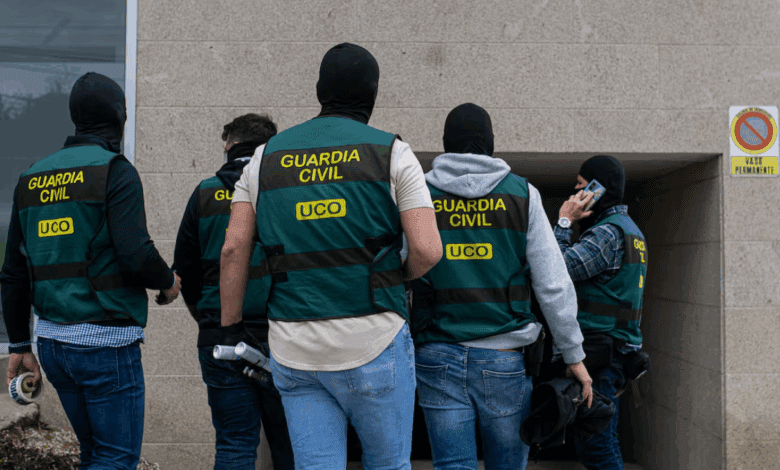
In 2025, Spanish law enforcement faced an unprecedented surge in detentions of individuals suspected of links to radical Islamism. In the first months of the year, the number of arrests hit 100—levels not seen since 2004, when, following the tragic events of March 11 in Madrid, 131 people were detained. Since then, the figures had not reached such heights, but the situation changed dramatically after the outbreak of hostilities in the Gaza Strip in the fall of 2023.
Since October 2023, when the conflict between Israel and Hamas escalated into full-scale war, Spanish intelligence agencies ramped up investigations into individuals suspected of ties to radical groups. In the three months following the start of fighting, 54 alleged jihadists were detained—more than double the figure from the previous nine months, when only 24 people were arrested. By the end of 2023, the total number of detainees had reached 78, significantly higher than the 46 arrests recorded throughout 2022.
This trend continued in 2024: 81 people were detained over the year, and by mid-2025, the number reached 100. Since the escalation of the conflict in the Middle East, Spanish authorities have detained a total of 235 suspects in Islamist terrorism cases.
Geography of Arrests
The highest police activity has been recorded in the province of Barcelona, where 14 operations have taken place since the beginning of the year, leading to 27 arrests. Madrid ranks second with nine operations and 13 arrests. Valencia has seen seven operations resulting in 10 arrests. Melilla ranks fourth, where the police carried out five operations, arresting eight people.
These four regions accounted for more than half of all arrests nationwide. At the same time, in 21 provinces there were no arrests during this period, and another 13 provinces reported only one arrest each. This uneven distribution points to a concentration of the threat in certain areas.
Reasons for the increase
Experts attribute the sharp rise in arrests to changes in counterterrorism strategies. Since the reform of the Criminal Code in 2015, the police have been authorized to intervene not only in the preparation of terrorist attacks but also in actions such as self-radicalization, propaganda, and recruitment. Now, even minimal signs of involvement in extremist activity are grounds for launching an investigation and making arrests.
The most common charges include self-radicalization, dissemination of extremist materials, and public justification of terrorism. This preventive approach allows law enforcement to identify potential threats at an early stage, but it also leads to an increase in arrests, including among young people.
Minors under suspicion
There is growing concern over the increasing number of minors among those detained. In 2025, 15 teenagers were already arrested on suspicion of involvement in jihadism, one of whom was outside the country—in México. In just one week in June, two minors were detained: one in Melilla, and another in the town of Vacarisses in the province of Barcelona.
According to the Center for Combating Terrorism and Organized Crime, teenagers are increasingly being targeted for recruitment and drawn into extremist networks through the internet and social media. Police note that modern technology enables radical groups to identify vulnerable young people more quickly and involve them in illegal activities.
Trends and challenges
The security situation in Spain remains tense. Despite significant efforts by law enforcement, the number of radicalism suspects is not decreasing. Authorities continue to strengthen preventive measures to avoid a repeat of tragedies such as the 2004 Madrid events.
At the same time, experts emphasize that combating terrorism requires not only police operations but also comprehensive programs aimed at preventing radicalization, especially among young people. In a context of ongoing threats and an unstable international climate, Spain is being forced to adapt its approaches to ensuring domestic security.