Spain’s decision not to participate in the security operation in the Strait of Hormuz directly reflects the country’s cautious approach to international military initiatives. For Spaniards, this means that Madrid will not get involved in potentially risky missions without clear backing from major international organizations. This move highlights the priority of national interests and the intent to avoid unilateral actions that could lead to undesirable consequences for the country and the region.
Madrid’s position
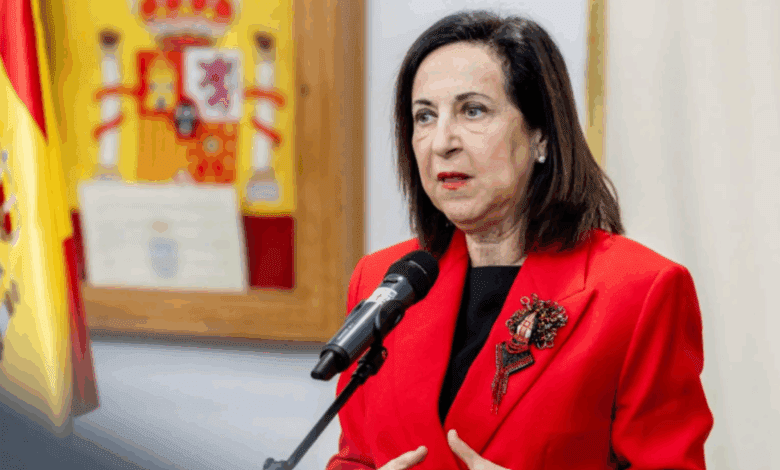
Spain’s Ministry of Defense has made its stance clear: participation in the mission is only possible with an official mandate from the European Union or NATO. Defense Minister Margarita Robles, after her visit to Mando de Operaciones in Madrid, emphasized that Spain is not considering sending its ships—including specialized minesweepers—to the Hormuz area. According to her, the country lacks sufficient information about the details of the French initiative and the purpose of deploying the aircraft carrier Charles de Gaulle and other vessels to the region.
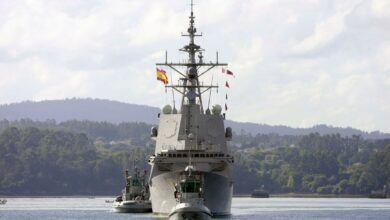
At the same time, the deployment of the frigate Cristóbal Colón to Cyprus is not linked to military operations in Hormuz. Spanish authorities stress that this ship’s mission is limited to defense and security tasks in the Mediterranean Sea. According to RUSSPAIN.COM, such caution is driven by the desire to avoid escalation and to maintain a balance of interests in a complex international environment.
The French initiative
French President Emmanuel Macron has announced plans to form a coalition of European and non-European states to protect shipping in the Strait of Hormuz. France intends to deploy the aircraft carrier Charles de Gaulle, eight frigates, and two amphibious ships to escort oil and gas tankers and container vessels. However, the start date of the operation remains unclear: Macron stated the fleet will be deployed after the most intense phase of the regional conflict ends.
The operation will cover the Eastern Mediterranean, the Red Sea, and the Strait of Hormuz itself. Despite the broad scope of the initiative, the lack of a unified international mandate raises concerns among several European countries, including Spain. As noted by RUSSPAIN.COM, Madrid has often taken a wait-and-see approach to such matters, as confirmed by recent decisions regarding other international missions.
Reaction and consequences
Spain’s refusal to participate in the French mission could affect the dynamics of European security and the distribution of roles within the EU and NATO. Some experts believe Madrid’s stance reflects a desire to maintain independence in foreign policy matters and avoid engaging in conflicts without clear guarantees and international support. At the same time, France continues to emphasize the need for collective action to protect strategically important maritime routes.
The question of Spain’s possible participation in such operations has already been discussed before. For instance, an article on Madrid’s stance regarding the deployment of the frigate Cristóbal Colón to the Strait of Hormuz offered detailed analysis of the reasons for the Spanish authorities’ caution and the potential consequences for the country — details in RUSSPAIN’s analysis.
Context and related events
In recent years, Spain has repeatedly faced the dilemma of participating in international military missions. In 2024, the country opted out of active involvement in a security operation in the Eastern Mediterranean, citing the absence of a unified EU mandate. A similar situation arose during discussions about missions near the Suez Canal, where Madrid also took a wait-and-see approach. These decisions reflect a consistent trend: Spain prefers to act within collective agreements and avoids unilateral actions that could complicate its position on the international stage.