Spain’s decision to limit the use of the Rota and Morón military bases following the US and Israeli attack on Iran became one of the most discussed events of spring 2026. For Spaniards, this means not only a shift in the country’s traditional role in international missions, but also new questions about balancing allied commitments and national interests. As El Pais points out, authorities emphasized that the ban applies exclusively to operations related to the conflict with Iran and does not affect other activities carried out at these facilities.
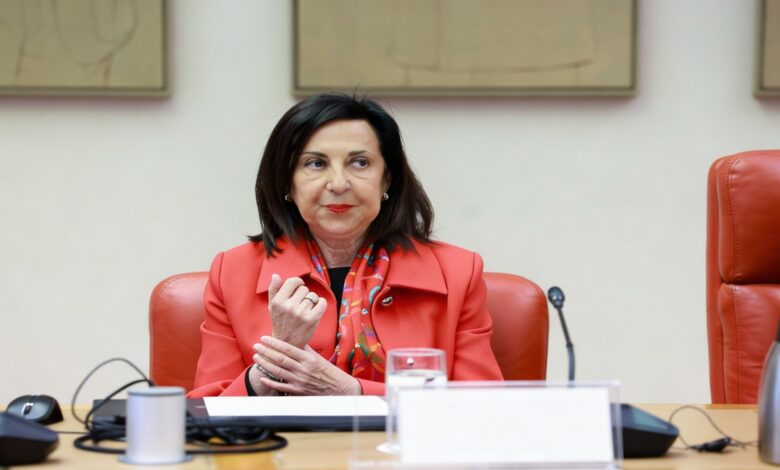
Defense Minister Margarita Robles explained that the decision to prohibit the use of the bases and airspace to support military actions against Iran was made immediately after the attack began on February 28. According to her, this move does not violate Spain’s NATO commitments nor does it weaken cooperation with allies. The bases remain operational, but with a clear restriction: any actions that could be linked to the war against Iran are excluded. Similar positions have been adopted by other European countries, including Italy, which also denied US bombers access to its base in Sicily.
Impact on allies
Madrid emphasizes that Spain remains committed to collective defense and deterring threats, despite the new restrictions. According to El Pais, authorities believe the decision will not lead to a rupture in transatlantic relations. Meanwhile, within NATO, there is ongoing discussion about how similar actions by individual countries might impact the alliance’s operational efficiency and unity. Spanish military installations continue to be used for other missions not related to the Middle East conflict.
In the coming weeks, a rotation of Spanish naval vessels is expected in the Mediterranean: the frigate Cristóbal Colón will be replaced by Méndez Núñez within the group protecting the aircraft carrier Charles de Gaulle and its escort ships from France, the Netherlands, and Italy. This confirms that Spain is not withdrawing from international operations but aims to clearly distinguish its actions depending on the nature of each mission.
Reaction and consequences
Madrid’s decision has sparked mixed reactions among allies. Some experts believe such restrictions could set a precedent for other nations wishing to maintain independence in matters of military engagement. Meanwhile, according to RUSSPAIN.COM, most European countries prefer to act in coordination to prevent NATO’s position from weakening amid new security challenges.
In Spain, there is active discussion on how the new rules may affect the economies of regions that host the bases and the country’s relationship with the US. The authorities insist that there are no plans to reduce staff or change operations at the facilities, unless the missions concern Iran. It is important to note that such decisions are not unprecedented: in the past, alliance countries have already imposed temporary restrictions on the use of military infrastructure depending on the political situation.
Context and comparisons
In recent years, Spain’s role in international military operations has frequently sparked public and political debate. For instance, there was a recent discussion around the silence of German leader Merz during his visit to the White House, which triggered a wave of criticism across Europe and prompted analysis of inter-country relations. More details can be found in the article on how European leaders responded to allies’ decisions.
Similar restrictions on the use of military facilities have been implemented in the past, as EU countries sought to emphasize their autonomy in foreign policy matters. In 2023, Spain also limited access to its bases for operations that did not align with national interests. Such measures are usually accompanied by close consultations with NATO partners and discussions about potential security implications for the region. Overall, the practice of temporary restrictions on military cooperation is becoming increasingly common in Europe, reflecting a growing effort to balance alliance commitments with domestic priorities.