Spain marks a historic milestone as the 1978 Constitution becomes the country’s longest-standing. This event not only symbolizes the resilience of democratic institutions, but also highlights the importance of combating disinformation that currently influences public opinion and political processes. As trust in government bodies and the media faces new challenges, Francina Armengol’s statements take on special significance for the nation’s future.
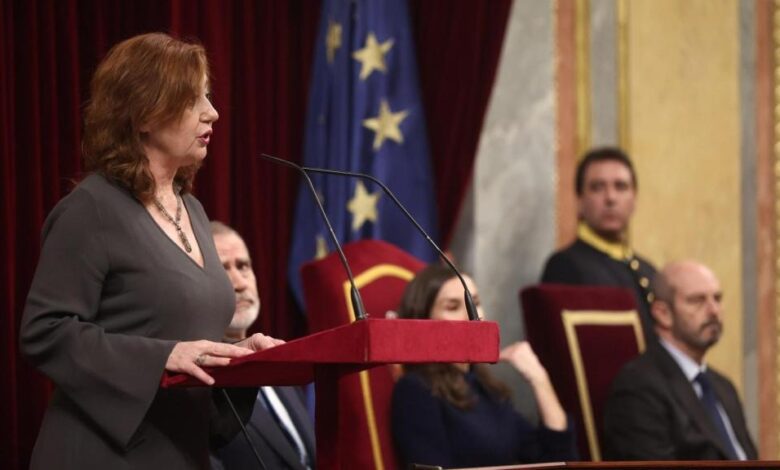
During a formal session in the Congress of Deputies celebrating the Constitution’s anniversary, lower house speaker Francina Armengol emphasized the government’s efforts to counter the spread of false information. According to her, Spain has become a model for other countries in terms of progress, social guarantees, environmental and digital transformation, as well as transparency and free journalism. The presence of King Felipe VI and representatives from all major political forces, including PP, PSOE, Sumar, and even Vox, highlighted the rare unity surrounding the country’s fundamental law.
Political consensus
This year, the Constitution of Spain officially surpassed even the 1876 text in duration, which was adopted during the Bourbon Restoration. This record has sparked discussions not only about achievements but also about the challenges faced by contemporary Spanish society. Armengol noted that the longevity of the Constitution reflects the values necessary for the development of democracy and is the result of politicians’ ability to engage in dialogue even in the face of disagreements.
Special attention was drawn to the participation of Sumar deputies at the ceremony, as they had previously hesitated about whether to join the event. Vox’s decision to also attend the session came as a surprise to many observers, given their frequent criticism of the current political system. However, such moments of unity are rare: in the recent past, for example, political disagreements in the regions have led to noticeable shifts in electoral preferences, as described in the article on why residents of small towns choose new political forces.
Spain faces the challenges of our time
Armengol did not stop at just praising the government. She emphasized that Spain today is a country unafraid of change and able to adapt to new challenges. Among the priorities, she highlighted not only the fight against fake news but also support for independent media, the development of digital technologies, and environmental modernization. According to the Speaker of Congress, these areas are key to maintaining public trust and strengthening the country’s position on the international stage.
Transparency became a key part of her speech. Armengol is convinced that open government and access to reliable information are essential for preserving democracy. She also recalled the role of journalists who face manipulation and pressure daily, yet continue to uphold the principles of objectivity and integrity.
Context and trends
In recent years, Spain has faced a surge in fake news and efforts to destabilize the country through social networks. In response, the government has stepped up controls on the spread of false information and supported initiatives to improve media literacy among the population. These steps have already yielded results: trust in official information sources is gradually increasing, and cases of mass manipulation are becoming less frequent.
At the same time, other European countries are also seeing a trend toward strengthening legislative frameworks to protect democracy from the threats of the digital age. Spain, thanks to its experience and political will, is emerging as one of the leaders in this process. The anniversary of the 1978 Constitution is not only a source of pride, but also a reminder of the ongoing need to safeguard citizens’ rights and freedoms.
In recent years, Spain has hosted a number of major events dedicated to key dates in the country’s history. For example, 2024 marked the 45th anniversary of democratic elections, while 2025 will see the 50th anniversary of Franco’s death. Each time, such occasions spark public debate about the country’s future, the role of institutions, and the need to renew the political system. Across Europe, there is growing interest in preserving historical memory and strengthening democratic traditions, underlining the relevance of these initiatives throughout the region.