The summer of 2025 has once again brought large-scale wildfires to Spain. Significant outbreaks of fire are being reported in various regions, including Andalucía, Galicia, and Madrid, destroying thousands of hectares of forest. Although the causes of many fires are still under investigation, experts note that humans are responsible in most cases—whether through negligence or deliberate action.
According to experts, more than 80% of wildfires in Spain are caused by human activity. In recent months alone, at least 25 individuals suspected of arson have been detained. One of the latest incidents took place in the province of Ávila, where a firefighter was taken into custody on suspicion of starting a blaze that destroyed over 2,000 hectares of forest. Investigators are considering personal motives related to work as a possible reason.
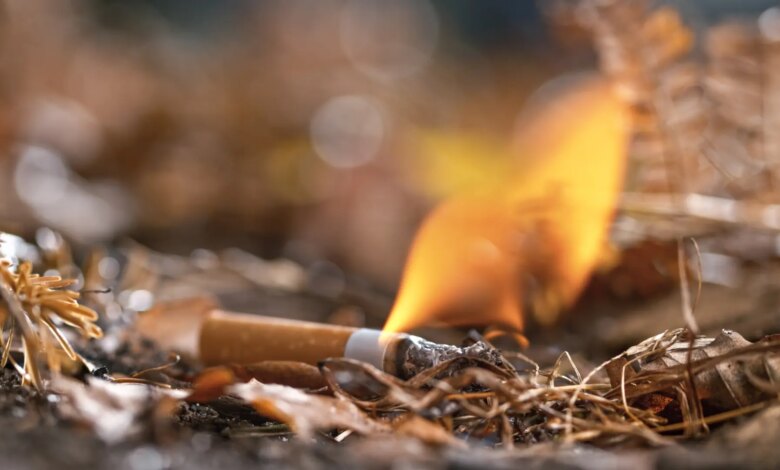
Last year’s statistics also confirm the worrying trend: in 2023, police detained or launched investigations against 402 individuals in connection with wildfires. The causes of these fires vary—from deliberate arson to simple carelessness with smoking, outdoor cooking, burning trash, or using equipment that can produce sparks.
Spain enforces strict regulations governing behavior in forested areas, especially during periods of high wildfire risk—typically from mid-June to mid-October. In most autonomous communities, smoking in forests or throwing cigarette butts from vehicles is prohibited. Such violations carry fines ranging from €100 to €1,000, even if no actual harm is caused.
In certain regions, such as Castilla-La Mancha, smoking and discarding matches or cigarettes in forests and adjoining areas are completely prohibited. In Galicia, there is a strong public movement supporting a smoking ban on the Cíes Islands (Islas Cíes), part of the national park, to reduce the risk of fires and pollution.
Lighting fires, barbecuing, or using open flames in forests without special permission is prohibited nationwide. Violating this rule can result in fines exceeding €3,000, especially if safety measures are ignored or an explicit ban is in place.
The use of agricultural and construction equipment capable of producing sparks is also restricted during periods of high fire risk. In some autonomous communities, certain types of work are forbidden during the hottest hours of the day—from 1:00 p.m. to 7:00 p.m. Without a special permit, driving vehicles into forested areas, camping, or organizing large gatherings is not allowed.
Serious violations include discarding cigarette butts, trash, or other flammable items, even if they have been extinguished. Such actions are considered gross offenses and carry hefty fines.
The harshest penalties are reserved for deliberate arson or actions that result in large fires. If the fire endangers lives, the perpetrator faces 10 to 20 years in prison. Setting fire to a forest without threatening lives but causing significant damage is punishable by one to five years in prison and monetary fines. In particularly severe cases, when the fire affects large areas, causes major environmental damage, or is committed for personal gain, the prison term increases to six years, and fines may reach up to 24 months of the convict’s income.
Even if the fire does not spread but arson has occurred, the offender faces up to one year in prison. In addition to criminal liability, the law prohibits changing the use of land affected by fire for up to 30 years, to prevent speculation and preserve ecological balance.
Thus, Spanish law provides a wide range of measures — from administrative fines to lengthy prison terms — to combat forest fires and prevent further tragedies. Authorities and public organizations urge citizens to follow the rules and exercise maximum caution in the forests to preserve the country’s natural wealth.