With Donald Trump entering the White House in January 2025, the Spanish government led by Pedro Sánchez charted an unexpectedly independent path. Madrid did not simply distance itself from the American line—it began openly challenging Washington’s key initiatives. Throughout the year, Spain often surprised even its European partners, showing a readiness to go against the grain and defend its own interests, even at the risk of triggering serious consequences for its relationship with the US.
From the very start of the year, Sánchez made it clear that Spain would not adapt to the new American administration. As early as January, speaking at the Davos economic forum, he sharply criticized the influence of major tech corporations and their owners, such as Elon Musk and Peter Thiel, whom the US sees as Trump’s allies. Sánchez introduced the term “technocaste,” accusing these entrepreneurs of promoting authoritarianism and fueling hatred. He called for stricter regulation of social networks, causing irritation in Washington.
Trade Wars
In the spring, relations between Madrid and Washington became even more strained. After the US imposed new tariffs on European goods, Sánchez did not hide his outrage. He called the American actions a “trade war” and promised that Spain would not stand aside. Despite clear discontent from the White House, the prime minister did not cancel his trip to China, where he openly declared that for Madrid, Beijing is a partner, not a rival, and Spain will build its relationship with China within the framework of European policy, not at the direction of those across the ocean.
This move sparked a storm of emotions in the US, but Sánchez stood firm. He continued to insist on an independent economic policy and refused to support American sanctions against Chinese companies. In Madrid, there was growing talk that Spain would not allow itself to be drawn into foreign conflicts and would defend its interests on the global market.
Spain and NATO
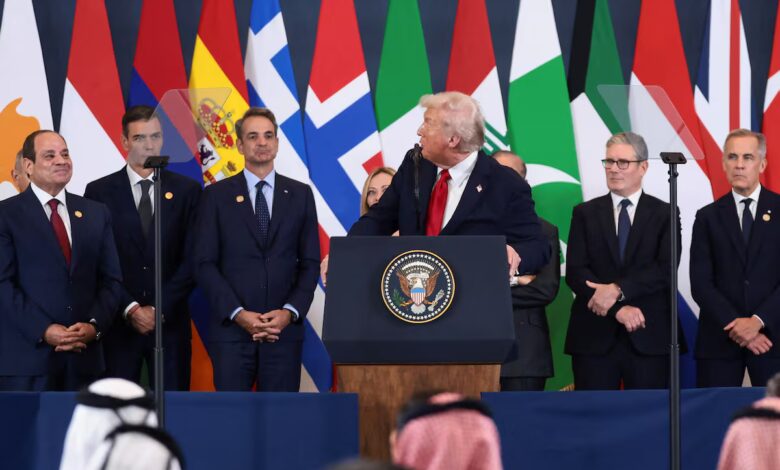
In the summer, defense spending took center stage. Ahead of the NATO summit in La Haya, Spain secured special terms: it was allowed not to increase its military budget to 5% of GDP by 2035, as Trump had demanded. This decision triggered real anger in Washington. The American president threatened new tariffs and even hinted at the possibility of expelling Spain from the alliance.
Sánchez, however, did not make any concessions. He called the agreement reached a diplomatic success and again criticized American trade restrictions. Madrid insists that Spain is not obligated to blindly follow U.S. demands, especially when it comes to national interests and economic stability.
Stance on Israel
In the autumn, the Spanish government took a tough stance on the conflict in Gaza. Madrid publicly accused Israel of committing genocide and imposed an arms embargo. This step drew a sharp response from the Trump administration, which accused Spain of supporting terrorists and betraying Western values.
Inside the country, Sánchez’s decision sparked heated debate. Some praised him for standing by his principles, while others accused him of isolationism and risking a deterioration of relations with key allies. Nevertheless, the prime minister remained firm: for him, upholding international law and protecting civilian lives comes first.
The Venezuelan crisis
Amid escalating tensions in Venezuela, Spain once again defied the American line. Madrid condemned U.S. military intervention and signed a joint statement with Latin American countries denouncing violations of international law and attempts at foreign control over Venezuela’s resources. Foreign Minister José Manuel Albares called Washington’s actions a dangerous precedent and urged Europe to respond more decisively.
This stance puzzled many European partners, but Sánchez did not back down. He continued to insist on the need for collective decisions and respect for national sovereignty, even when that conflicted with US interests.
A new direction
Throughout the year, Sánchez repeatedly emphasized: Spain is choosing a path of progressive leadership and multilateral cooperation. At international forums, he called on left-leaning governments to unite and act together, positioning himself in opposition to Trump’s nationalist and unilateral policies. In London, at the Global Progress Summit, Sánchez openly stated: only through dialogue and respect for international norms can a just world order be built.
This approach was not always understood, but under Sánchez’s leadership, Spain clearly does not intend to revert to the role of America’s junior partner. Madrid is showing its willingness to defend its own interests and principles, even if that means clashing with the world’s most powerful countries. The only question is how long Spain can withstand the pressure and maintain its independence in such challenging conditions.