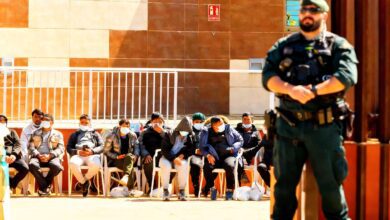
The possible loss of the Fiesta de Interés Turístico Nacional status for Semana Santa in Sagunto has sparked discussion not only in Valencia, but across Spain. The issue of equal rights and women’s access to traditional religious processions goes beyond a single city, raising questions about the foundations of cultural identity and modern notions of justice. The ministry’s decision could set a precedent for other regions where similar traditions are still maintained.
Sagunto, a city with a population of around 73,000, has come under the spotlight after the Ministry of Industry and Tourism began to consider revoking Semana Santa’s honorary status. The trigger was a complaint from a local resident who pointed out discrimination against women in the selection of procession participants. In response, the ministry launched an administrative inquiry to determine whether the celebration’s organization complies with current legal standards.
Traditions under threat
Women in Sagunto have always played an important role in preparing for Semana Santa: they helped organize the events, supported various activities, took care of cleaning and readying traditional costumes, and participated in lottery ticket sales. However, they have never been allowed to become full participants in the procession — the so-called capuxinas, who parade through the city streets carrying lit candles.
In 2004, Semana Santa in Sagunto was granted the status of Fiesta de Interés Turístico Nacional, which brought the city additional recognition and obliged the authorities to invest resources in promoting the festival. However, rules updated in 2019 require that all residents participate in such events, with no exceptions based on gender. The ministry is currently collecting information and analyzing documents to determine if these regulations are being violated.
A pivotal moment came in 2022, when members of the Cofradía de la Puríssima Sang del Nostre Senyor Jesucrist—one of Spain’s oldest male brotherhoods—refused to amend their charter to admit women. The proposed change was a single phrase: replacing the word ‘man’ with ‘person’. The majority voted against it, and once again only men took to the city streets in black robes, handing out sweets to children and not allowing women to join the procession.
Public Reaction
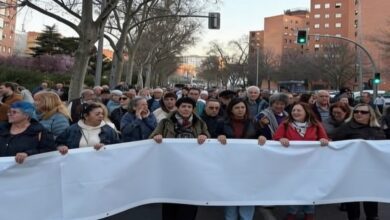
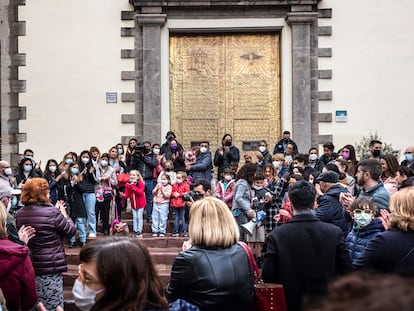
The fraternity’s decision triggered a wave of discontent among some residents of Sagunto. As early as April 2022, an unusual protest took place outside the local chapel, where women demanded equal rights to participate in the festival. In their address, they emphasized that they were not seeking confrontation, but aspired to build a fairer society in which Semana Santa would become a symbol of unity, not division.
The Archdiocese of Valencia chose not to intervene, stating its full respect for the autonomy of religious brotherhoods and their internal decisions. Meanwhile, in other Spanish cities, women have long participated in similar processions, although they do not always take leading roles. In Sevilla, Lorca and Málaga, Semana Santa has become a symbol of integration and openness, with women’s associations in confraternities actively developing across different regions of the country.
In Sagunto, the situation remains tense. This year, on the eve of the main holiday—Viernes Santo—a group of progressive confraternity members has again begun collecting signatures to call for a new vote on the issue of admitting women. In recent years, support for change has grown significantly, indicating a gradual shift in attitudes within the community.
Legal changes
In April 2025, Spain’s Constitutional Court issued a ruling that could prove crucial for such disputes. The court sided with a woman who had been denied entry into a religious brotherhood in the Canary Islands, determining that such bans violate the right to non-discrimination on the basis of gender and the freedom of association. The court also overturned a previous Supreme Court decision that had upheld the exclusion of women from brotherhoods.
The ruling notes that even private organizations, if they play a significant role in cultural or social life, cannot restrict citizens’ rights based on gender. This decision has sent a clear signal to all religious and cultural associations in the country: traditions must align with modern standards of equality.
Similar debates have been underway for years in other Spanish cities. In Cartagena, the women’s cofradía association is considered one of the most active, while in Zamora, there was a recent discussion about amending the statutes to allow women to take part in the main procession on Good Friday. However, due to a lack of quorum, the decision was postponed.
Looking ahead
The situation in Sagunto reflects a broader trend across the country: traditional festivities are confronting the demands of the times and the need to rethink established rules. For many locals, Semana Santa is not just a religious event but an integral part of family history and cultural heritage. However, new generations are increasingly calling for change and openness.
In the coming weeks, the ministry will continue to analyze the situation, gathering feedback from all sides and reviewing documents. The final decision could affect not only the status of Semana Santa in Sagunto but also influence how similar festivities are organized throughout Spain. If the status is revoked, the city will lose not just prestige but also part of its funding, which could impact the scale and quality of future events.
In recent years, Spain has seen a rise in the number of traditional religious and cultural events being reconsidered in light of demands for equality and inclusivity. In Andalusia and Galicia, there have already been cases where women’s groups have fought for the right to participate in processions on equal footing with men. In some instances, this has sparked fierce debates, but society is gradually moving toward compromise. These changes reflect not only the evolution of legislation, but also profound shifts in public consciousness, where respect for tradition is balanced with calls for justice and equality.