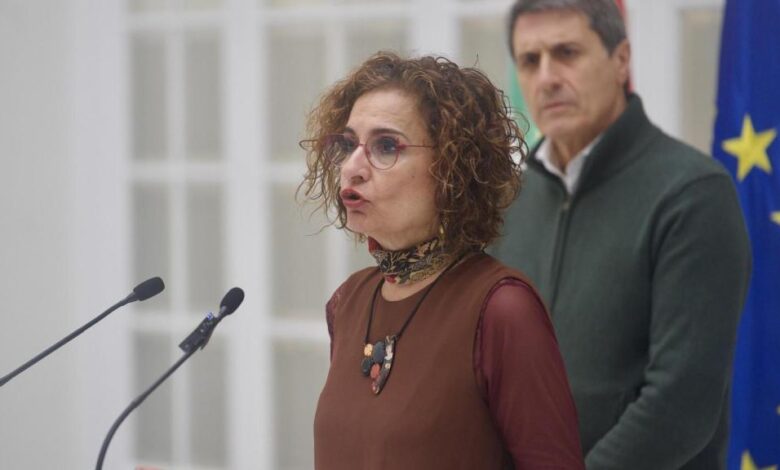
Questions about the quality of medical programs in Spain always spark widespread public debate, especially when it concerns the health of thousands of women. Recent statements by Deputy Prime Minister María Jesús Montero have once again drawn attention to the situation with the breast cancer screening program in Andalusia. Montero emphasized that the investigation into possible violations in the organization of screening is still ongoing, despite reports that the case has been partially closed.
According to the Deputy Prime Minister, the prosecutor’s office has not dropped the investigation into the complaint filed against former heads of Andalusian healthcare. Although the case has been closed for a number of high-ranking officials, the investigation is still underway at the provincial level. Montero highlighted that prosecutors had found signs of violations in the implementation of the program, which requires further examination and possible legal consequences.
Position of the authorities
María Jesús Montero, speaking in Seville after a meeting with representatives of the central administration, stressed the need for transparency and accountability in matters affecting women’s health. She pointed out that more than 2,500 women were put at risk due to the detected failures in the screening system. The Deputy Prime Minister called on the justice system not to stop the investigation and underscored the importance of respecting those affected.
Montero also demanded that the regional government provide comprehensive information on the progress of the program and on the steps taken to address the identified shortcomings. According to her, only a full clarification of the circumstances will help restore trust in the healthcare system and ensure patient safety.
Prosecutor’s response
The Andalusian Prosecutor’s Office has officially announced the closure of the case against several former healthcare officials, but left open the possibility for further investigations at the provincial level. This decision provoked a mixed response among the public and politicians, as many had expected more decisive action against those responsible.
The Deputy Prime Minister insists that the actions of the Prosecutor’s Office do not mean the case is closed; on the contrary, they pave the way for a more detailed examination of the situation in each province. She emphasized that the violations found cannot go unnoticed and expressed confidence in the need to continue uncovering all the circumstances.
Context and consequences
In the discussion of the Andalusian breast cancer screening situation, questions were again raised about the quality of medical services and the accountability of officials. Montero reminded that this is not only about technical errors, but also about real health risks for women. She urged all parties to take maximum responsibility and to prevent similar situations from happening in the future.
In light of recent events in Spain, court rulings on high-profile cases remain one of the most talked-about topics. For example, a recent article on RUSSPAIN.COM took a detailed look at a case where a judge refused to reopen the investigation against María Dolores de Cospedal, sparking heated debate over the transparency of the judicial system and public trust in it. Such precedents underscore the importance of openness and consistency in the actions of state institutions, especially when public health and safety are at stake.
Reference context
In recent years, Spain has faced several high-profile cases involving irregularities in medical programs and screenings. In 2024, Catalonia saw discussions about problems accessing early cancer diagnostics, which led to a review of several medical protocols. Similar issues were raised in Madrid, where complaints from patients triggered investigations into the effectiveness of screening programs. These events demonstrated that public oversight and transparency in healthcare remain crucial for preventing systemic errors and protecting patient rights.