In 2025, gastronomic tourism in Spain is undergoing a true transformation. Food enthusiasts are increasingly shifting their focus from Michelin-starred restaurants in bustling metropolises to quiet, authentic corners where culinary traditions are passed down through generations. In the very heart of the country, in the autonomous community of Castilla y León, an event has taken place that vividly illustrates this trend. The small yet immensely vibrant town of Riaza, nestled comfortably in the province of Segovia, has received official recognition, becoming the first representative from its region to join the prestigious national network that brings together Spain’s gastronomic gems.
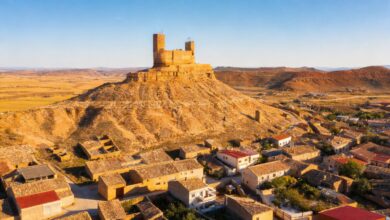
Riaza is far more than just another dot on the map. This place is steeped in history, set amid the rugged yet captivating foothills of the Sierra de Ayllón. Its cobbled streets, ancient stone houses, and the famous arcaded Plaza Mayor—unusually elliptical in shape—transport visitors centuries back in time. But the true soul of this town is revealed at the table. Riaza has long and rightfully earned its reputation for its “asadores,” traditional restaurants that can be called true temples of meat. Here, cooking is not simply a craft, but a refined art, with star performances given by tender suckling lamb (cordero lechal) and the massive, juicy bone-in beef steak known as chuletón.
The secret behind this magical flavor, which keeps people coming back time and again, lies in culinary techniques honed over centuries. The meat is slowly simmered in massive wood-fired ovens, where the heat gives it a delicate smoky aroma and makes it incredibly tender, melting in your mouth. This is more than just a meal—it’s a ritual, a cultural experience that draws connoisseurs from across the country and beyond. However, Riaza’s culinary heritage is far broader and more diverse. The local cuisine is closely intertwined with the rhythms of nature and rural life. In autumn, after the rains, the menus of restaurants and taverns feature fragrant dishes made with wild mushrooms gathered from the surrounding pine and oak groves. In the colder months, it’s time for hearty, warming dishes crafted from pork products, prepared according to age-old family recipes. And for dessert, guests can enjoy unique local pastries: the bittersweet almond cookies “amarguillos,” as well as the dense “tortas sobadas” and crumbly “tortas de chicharrones.”
Joining the national network of gastronomic towns is much more than just a prestigious diploma displayed at city hall. This status serves as an official mark of quality, validates the uniqueness of the local cuisine, and at the same time places significant obligations on the municipality to preserve and further develop it. For Riasa, this opens up new opportunities: access to staff training programs, participation in innovative culinary projects, and, of course, a powerful tool for promoting tourism at the national and international levels. This recognition acts as a catalyst for the entire rural economy of the region, clearly demonstrating that authentic gastronomy can and should be a key driver of sustainable development, attracting investment and creating much-needed jobs in rural areas.
Thus, Riaza firmly cements its reputation as a benchmark tourist destination in Castilla y León. Now, travelers will come not only to admire its medieval architecture and hike its mountain trails, but also to seek out unforgettable culinary experiences. A visit to this town becomes a full immersion in the local culture, where landscape, history, and flavor blend into a single, harmonious whole, offering guests much more than just lunch or dinner. It is a valuable experience that lingers long in the memory and further enhances Spain’s reputation as one of the world’s leading and most diverse gastronomic centers.