In recent weeks, residents of Andalusia have faced serious consequences from severe storms that have damaged infrastructure and agriculture in the region. The Spanish government has already allocated significant funds for recovery, but delays in payments are causing discontent and tension between central and regional authorities. For many families and municipalities, receiving assistance has become a matter of critical importance.
Financial support
According to Ale Espanol, the central government of Spain has allocated 7 billion euros for the restoration of rural areas and another 2 billion euros to support municipalities in Andalusia. These funds are designated for repairing roads, sports facilities, and other key infrastructure projects, aiming to return life in the affected areas to normal. However, despite substantial financial aid, the distribution process has been slow.
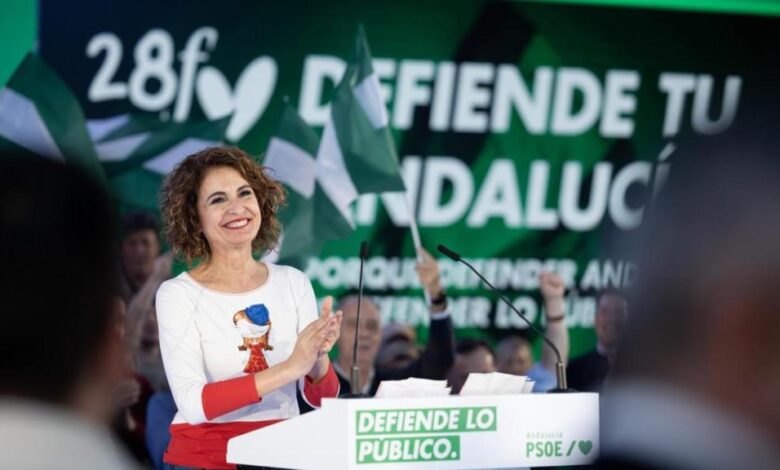
Deputy Prime Minister and Finance Minister María Jesús Montero, during the celebration of Andalusia Day in Jaén, openly criticized the head of the regional government, Juanma Moreno, for planning to start payments to those affected only in the summer. She emphasized that many people need support now, not months after the disaster. Montero also stated that the central authorities are ready to accelerate the payment process to help people get through these difficult times.
Changes for rural residents
In addition to financial aid, the Spanish government has simplified the requirements for agricultural workers to receive unemployment benefits. Now, just five days of work are needed to qualify for payments, compared to the previous thirty-five. This measure is intended to reduce anxiety among rural residents, who feared losing support due to missed workdays after natural disasters. Montero emphasized that such measures help maintain stability in rural areas and prevent a sharp drop in family incomes.
The authorities have also pledged to revise several laws that, according to socialist representatives, hinder the development of education and transport in the region. Among the proposed changes are the repeal of the recently enacted higher education law in Andalucía and the transfer of suburban rail management to the regional level. According to Montero, these initiatives aim to improve quality of life and provide more opportunities for young people and families.
Political disagreements
The issue of payment speed has become a heated topic of debate between the central and regional governments. Montero accused the leadership of Andalucía of responding too slowly to the needs of those affected, preferring public statements over real action. She also stressed that Andalucía’s identity and autonomy should be reflected not only during holidays, but through effective governance and concern for citizens.
Meanwhile, regional authorities insist that allocating funds takes time due to the need to verify applications and follow all procedures. However, many local residents find these explanations unconvincing, especially in light of earlier promises to speed up recovery and restore normal life in the affected areas.
Recent years in context
In recent years, Spain has repeatedly faced situations where bureaucratic procedures delayed compensation to victims after natural disasters. For example, after the floods in Murcia and Valencia in 2024, many families waited months for compensation. Similar issues arose following wildfires in Catalonia and Galicia. Each time, the delays sparked criticism of the authorities and prompted calls to review the aid distribution mechanisms. The question of how to accelerate payments and make the process more transparent remains relevant throughout the country.