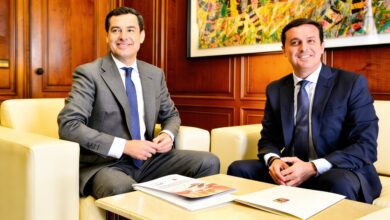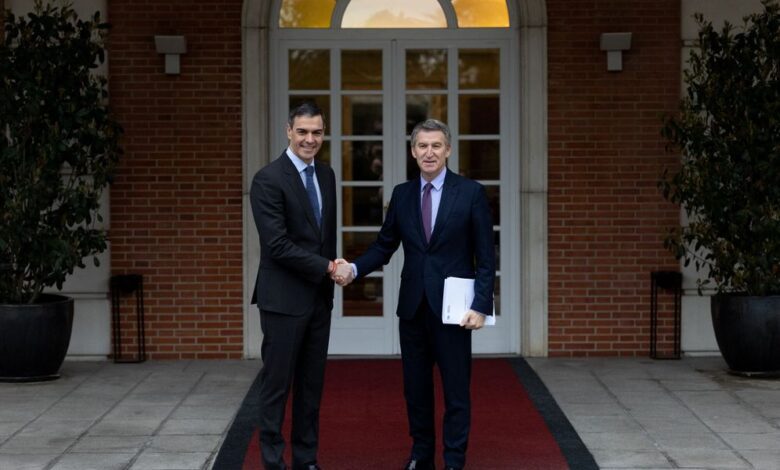
Tensions are rising in Madrid over the possible involvement of Spanish troops in a peacekeeping mission in Ukraine. The government of Pedro Sánchez has launched a series of meetings with parliamentary faction leaders to determine who is willing to support such a major decision. The spotlight is on the stance of the Partido Popular and Alberto Núñez Feijóo, who has already set out his conditions for agreement.
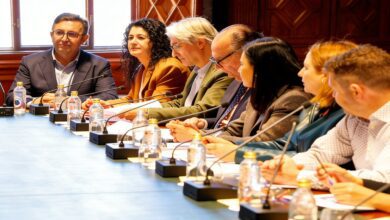
The situation is complicated by the fact that Spain has previously promised Kyiv certain security guarantees, but is now facing the prospect of an actual military presence. This will require approval from Congress and, without opposition support, the initiative could be at risk. The government is counting on a meeting with Feijóo, scheduled for next Monday, to help clarify both sides’ positions.
Opposition’s demands
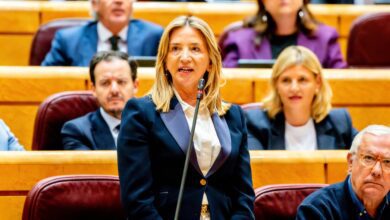
The Partido Popular is in no hurry to grant the government carte blanche. Feijóo and his team are demanding full transparency from Sánchez: they want detailed information on defense spending plans, budget structure, timelines and funding volumes, as well as which companies will be awarded contracts. Particular attention is paid to funding sources, especially since there is still no approved budget for the current year.
The opposition is also demanding clarification of Spain’s strategic priorities on the international stage. They are not only questioning military cooperation with NATO allies but also relations with countries such as Venezuela. Feijóo openly points to what he sees as a lack of trust in the current cabinet among Spain’s foreign partners.
Government response
People in Sánchez’s circle do not hide the fact: the prime minister is ready for an open discussion and intends to brief Feijóo in detail on the current geopolitical climate. The authorities promise to explain how Spain’s security and diplomatic strategy are formulated, and why the country is committed to collective decisions within European and international frameworks.
The government emphasizes that it regularly updates parliament and the public on its actions, but says that this particular issue requires a special consensus. Sánchez is counting on the Partido Popular to act as a responsible political force and back the mission, despite any disagreements.
Domestic political disagreements
Feijóo’s stance remains firm: he refuses to support individual defense measures unless there are guarantees on the entire package—from the budget to foreign policy. The Partido Popular insists they cannot trust Sánchez, especially when even his own allies seem skeptical. To illustrate this, they point to divisions within the coalition: left-wing parties and regional groups oppose sending troops, with some demanding that the mission be carried out exclusively under the auspices of the UN.
This puts the government in a difficult position. Without Partido Popular’s support, the initiative risks being blocked, and attempts to negotiate with smaller factions have so far yielded no results. Sánchez is left balancing the opposition’s demands against the skepticism of his own partners.
European context
Alongside the domestic debate, Spain is actively discussing with European partners the idea of forming a coalition of volunteers that could lay the groundwork for a future EU army. This initiative has already attracted interest from several countries, but requires approval at the highest political level. The extent to which Spain is ready to support Ukraine has become a broader discussion about the country’s role in Europe’s security architecture.
For now, however, all eyes are on the upcoming meeting between Sánchez and Feijóo. The outcome of their conversation will determine not only the fate of the mission in Ukraine but also the overall balance of power in Spanish politics. Trust between the government and the opposition is taking center stage, and much will depend on whether it can be restored.